
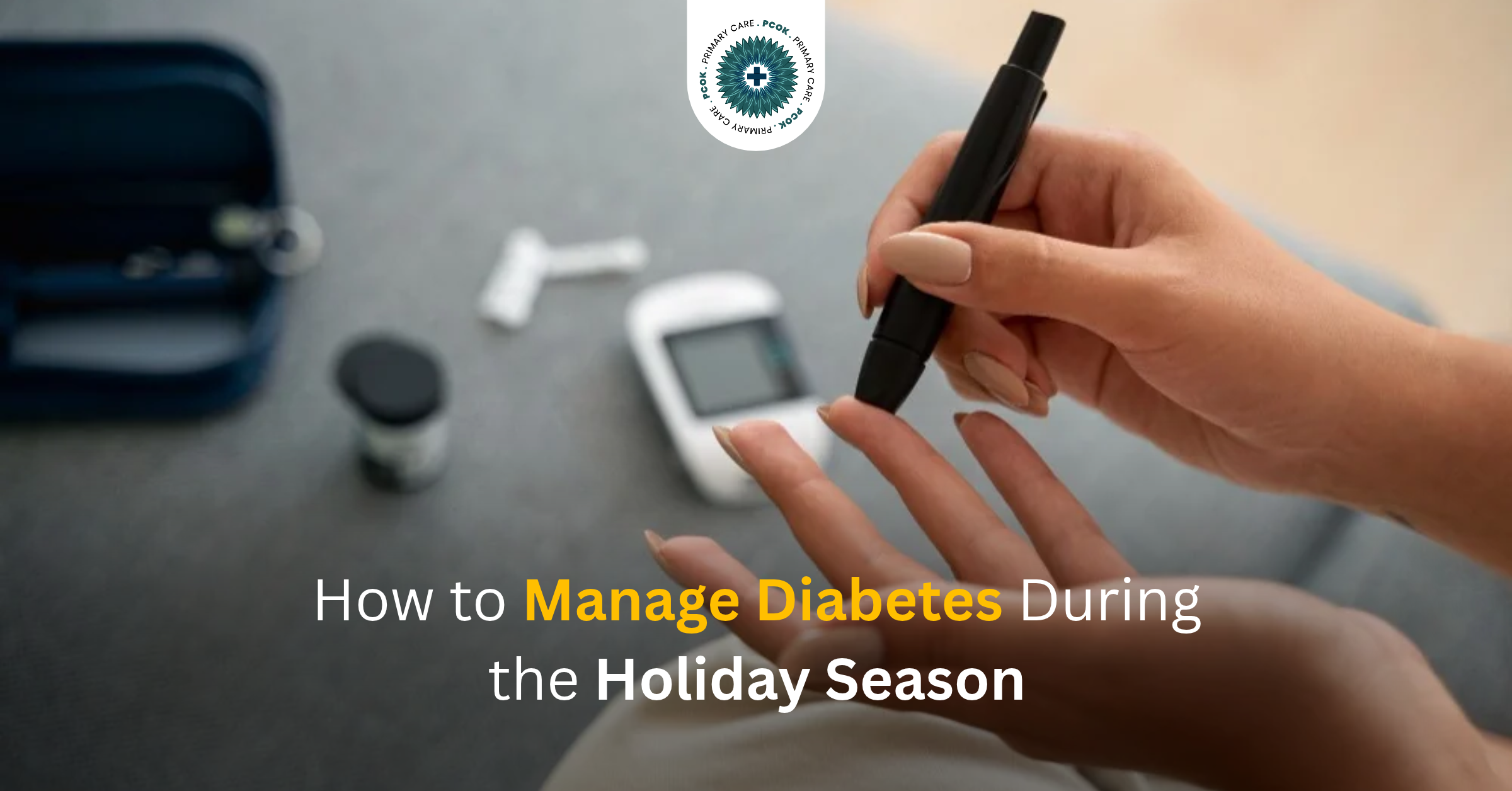
The holiday season is a time to come together, celebrate, and enjoy special meals with family and friends. For people living with diabetes, it can also mean changes to routine, richer foods, and busier schedules that make managing blood sugar feel harder. This post explores practical ways to manage diabetes during the holiday season. It emphasizes preparation, flexibility, and consistent habits so you can participate while honoring your health.
Why the Holiday Season Can Affect Blood Sugar
Several common holiday factors can affect blood sugar levels. Carbs, sweets, and meal portions tend to get bigger. Eating schedules may vary with parties, travel, or late gatherings. At times, activity levels may decrease, while stress and broken sleep may increase. Alcohol, if consumed, adds another variable.
None of these changes mean you can’t enjoy the season. They mean that a bit of planning and awareness can help keep blood sugar more stable and reduce the chances of feeling unwell or off track.
Plan Without Overcomplicating Things
A little preparation goes a long way. Before the busiest weeks begin, consider reviewing your current routine with your healthcare provider if it has been a while since your last visit. Make sure you have enough testing supplies, medications, and any needed prescriptions filled.
It also helps to think through your calendar. Identify higher-risk days (large meals, travel, or back-to-back events) and lighter days where you can return to more regular patterns. Having a rough sense of the schedule reduces last-minute stress and supports better decisions in the moment.
Approach Food with Flexibility and Awareness
Holiday foods are meant to be enjoyed. The goal is balance, not restriction. Useful strategies include:
- Have a balanced meal to start your day so you are not too hungry when more indulgent foods are presented
- Including protein, vegetables, and fiber alongside carbohydrate-containing dishes
- Pay attention to portion sizes of higher-carbohydrate foods while still tasting what you enjoy
- Drinking plenty of water or other fluids without sugar
- Being mindful of liquid calories like sweetened drinks and some types of alcohol
- Allowing yourself to have special foods without guilt, then going back to your normal routines
You don’t have to avoid all traditional foods. What matters more than any one meal is consistency over the course of days and weeks.
Keep Moving in Realistic Ways
Exercise makes your body use insulin more effectively and makes you feel better all around. Formal exercise routines can be more difficult to maintain over the holidays. Focus on achievable movement:
- Taking short walks after meals when you have the time
- Choosing active options in social environments such as helping with setup or playing with the kids
- Stretching or light activity at home on quieter days
- Making use of everyday opportunities, such as taking the stairs or parking further away
Even modest increases in movement can help counteract some of the effects of richer meals and less structured days.
Stay Consistent with Monitoring and Medications
Regular monitoring is particularly useful with changes in eating and schedule. Testing your blood sugar as your provider recommends gives you information to direct your decisions and catch patterns early. Try to take medications as you normally would. If travel or changes in your schedule will affect when you take your medication, talk to your care team about it in advance.
Bringing a small kit with testing supplies, medications, and snacks when you leave the house adds an extra layer of preparedness.
Support Sleep and Manage Stress
Both disrupted sleep and high stress can impact blood sugar. Sleep whenever possible and use simple stress-reduction techniques. This could be short quiet periods, realistic expectations of the season, or cutting back on commitments when you feel stretched. More stable energy and blood sugar responses, better sleep, and less stress.
When to Contact Your Primary Care Provider
With a little planning and flexibility, most people are capable of handling the holidays successfully. Call your provider if you see:
- Patterns of blood sugar that are persistently higher or lower than normal
- Symptoms of high or low blood sugar that feel hard to control
- Challenges managing medications and monitoring with schedule changes
- Concerns about travel, illness, or other factors and how they may affect your diabetes
- Questions about how to adjust your plan for the season
At Primary Care of Kansas, we can review your current management, discuss strategies specific to the holidays, and help you feel more prepared. A quick check-in before the peak time is often helpful in providing guidance and peace of mind.
Enjoying the Season While Supporting Your Health
It’s less about strict rules and more about preparation, flexibility, and basic principles to manage diabetes during the holidays. With a little planning, a balanced approach to food, being as active as is realistic, monitoring as needed, and protecting sleep and stress levels, most people can participate fully and keep their health on track.
Primary Care of Kansas is here to help you with personalized guidance for diabetes care each season. If you’re in the market for a pre-holiday review, assistance troubleshooting challenges, or ongoing management support, our team is ready to partner with you.
Schedule an appointment today if you have questions about your diabetes care or want to talk about holiday strategies. This can be a good step toward feeling more ready and confident. We look forward to supporting you & our community.
FAQs
Can I still enjoy dessert if I have diabetes?
Yes. Many people include small servings of their favorite desserts as part of a balanced approach. It helps to look at overall patterns and pair them with other foods.
What if my schedule is completely different from usual?
Work on the fundamentals you can control: timing of medication, some monitoring, hydration, getting back to regular habits when you can. You don’t have to be perfect.
Should I avoid all carbohydrate-rich holiday foods?
Total avoidance is seldom required or maintainable. Usually, balanced portions and awareness work better than strict elimination.
How do I handle well-meaning comments about my food choices?
A simple, polite response that you are managing your health in the way that works for you is often enough. You don’t owe anyone a full explanation.

No comment