
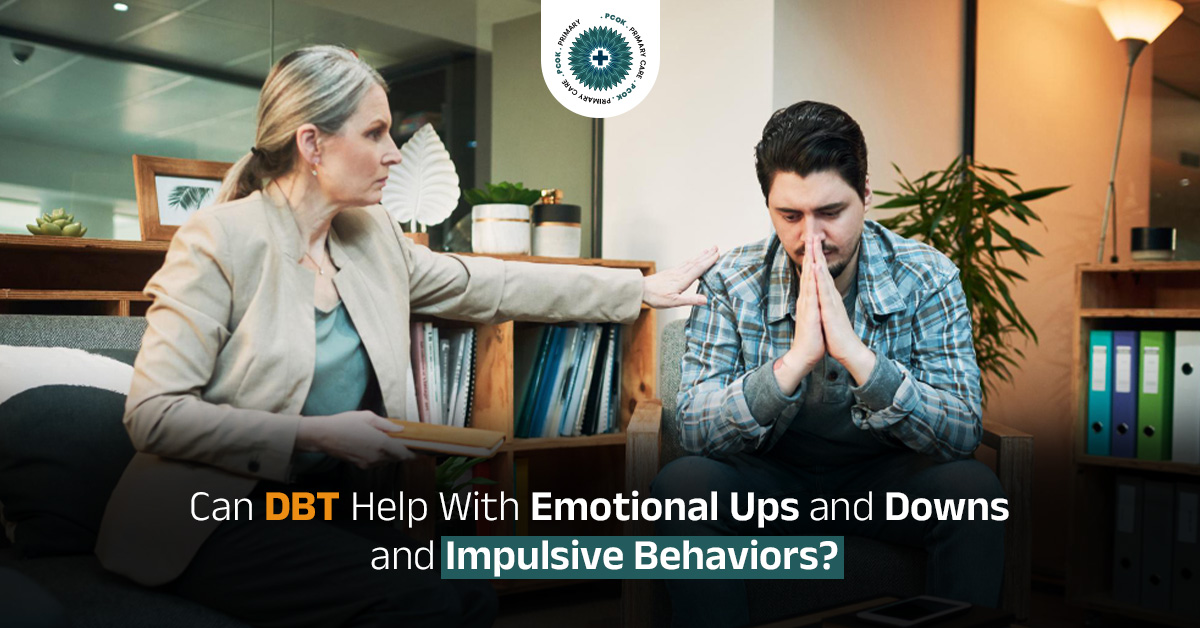
Emotions can feel big. Sometimes they come on fast. You may feel sad, angry, or worried. You may act without thinking. This can make life hard. DBT can help. DBT teaches simple skills to feel calmer and make better choices.
What Is DBT?
DBT stands for Dialectical Behavior Therapy. It is a kind of talk therapy. In DBT, you learn skills. These skills help with strong feelings and quick actions. DBT is gentle. It helps you accept how you feel. It also helps you change what you do next.
How DBT Helps with Big Emotions
DBT teaches ways to calm strong feelings. You learn to notice feelings early. This helps you stop a big feeling from growing. DBT teaches steps you can use right away. The steps are simple and clear. They help you slow down. They help you breathe. They help you think first and act later.
DBT also helps you name your feelings. When you give a feeling a name, it is easier to handle. DBT teaches that feelings are OK. They come and go. You do not have to shame yourself for feeling them.
How DBT Helps with Impulsive Actions
Impulsive actions are things we do fast without thinking. DBT gives tools to pause. It shows how to wait long enough to choose a better action. You learn small ways to slow down. You learn to ask, “Will this help me?” You learn to plan a safer choice.
DBT also teaches how to handle urges. Urges can be strong and loud. DBT skills help the urge pass. You learn to ride the urge like a wave. The urge gets smaller with time.
Four Key DBT Skills
DBT teaches many skills. Four skills are most helpful.
- Mindfulness. This is paying close attention to the now. You learn to notice your breath and your thoughts. Mindfulness helps you feel less scattered.
- Distress Tolerance. These are ways to stay calm when things are hard. You learn short, safe actions to help you through a hard minute. These actions do not make things worse.
- Emotion Regulation. These skills help you change how strong a feeling is. You learn what makes feelings worse and what makes them better. You learn steps to feel less overwhelmed.
- Interpersonal Effectiveness. These are ways to ask for what you need. They help you keep good ties with people. You learn how to say no and how to say yes in a kind way.
What Happens in DBT Therapy
DBT can be in a group or on one. In group work, you learn skills with others. In one on one, you work on your personal goals. Your therapist will help you practice skills. You will try new ways in real life. This practice helps the skills stick.
You will also get coaching for hard moments. A coach can help you use skills when you are upset. This makes the skill feel useful in real life.
How Primary Care Of Kansas Supports DBT and Mental Health
At Primary Care of Kansas, we focus on whole health. We offer mental health care along with medical care. This is good because feelings and health often go hand in together. We provide care for people of all ages. We help with both short term and long term problems.
If you come to Primary Care of Kansas, we will listen. We will learn what you need. We can help you find therapy like DBT. We work with you to make a plan. We can also help with other services you may need. These include routine exams, care for long term illness and help with medicines. We can refer you to specialists if needed.
Tips You Can Try Now
Try one small DBT skill today. Breathe slowly for one minute. Name the feeling you have. Try to sit with it and not push it away. If you feel the urge to act, count to ten. Ask yourself one helpful question. For example, “What will help me in five minutes?” These small steps help build new habits.
When To Ask for Extra Help
If your emotions make it hard to sleep, work, or care for yourself, ask for help. If you feel like hurting yourself or others, get help right away. Primary Care of Kansas can help you find urgent support. We can make an appointment and guide you to the best care.
Closing Words
DBT can make hard feelings easier to manage. It gives small, useful tools. These tools help you stay calm and choose better actions. At Primary Care of Kansas, we care about your heart and your body. We can help you start DBT skills and find the right support. Call us to talk about your care. We will listen and help you make a plan that fits your life.
FAQs
What happens in a DBT session?
You learn skills. You practice them. A helper supports you.
Can Primary Care of Kansas help with DBT?
Yes. They listen, guide you and help find the right care or a specialist.

No comment