
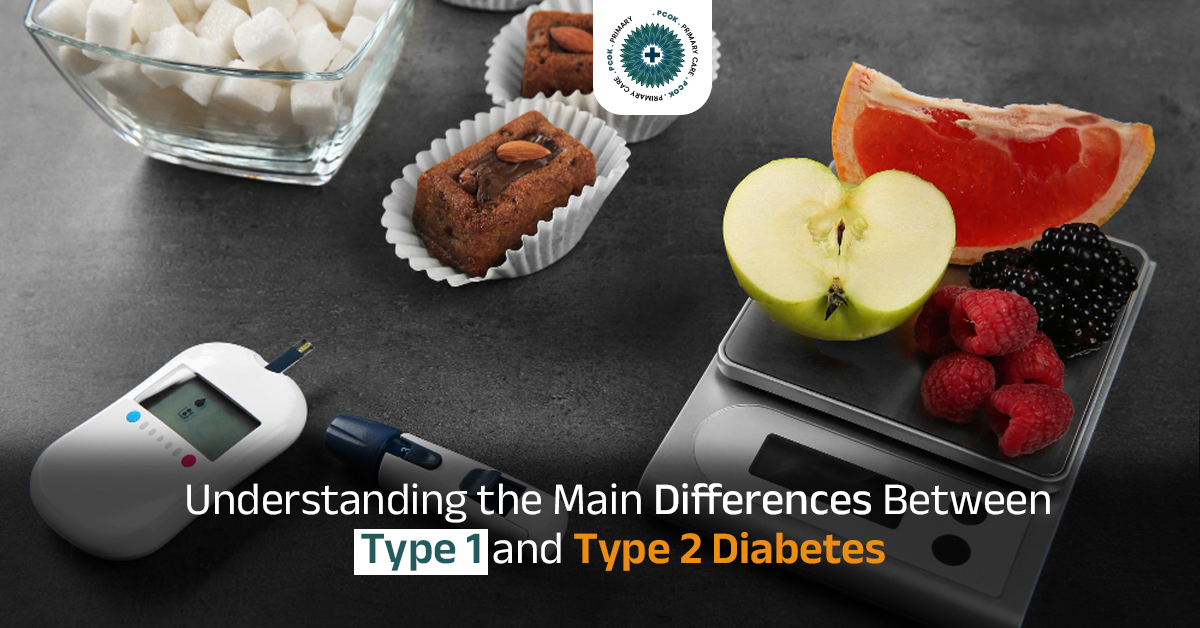
Well over 38 million people in the United States have diabetes, which is about 11.6% of the population. The condition is even more common around the world, with about 830 million adults living with it. Diabetes can have a big effect on mental health, causing stress, anxiety, depression, and emotional instability. This concern is in addition to the physical challenges of managing blood sugar.
To make smart health decisions and feel better overall, it’s important to know the differences between Type 1 and Type 2 diabetes. This complete guide goes over the basics of diabetes, looks at each type in depth, compares their traits, talks about the link between diabetes and mental health, and gives tips on how to avoid getting diabetes and when to see a doctor.
At the end of this article, readers will have learned a lot about how knowing the difference between type 1 and type 2 diabetes can help people and families deal with health problems more effectively.
The Basics of Understanding Diabetes
Diabetes is a long-term metabolic disorder that makes it hard for the body to turn food into energy. When everything is working normally, the body turns the food it eats into glucose (blood sugar), which then enters the bloodstream. The pancreas makes insulin, a hormone that helps move glucose from the blood into cells, where it is used as fuel for the body’s functions.
This process doesn’t work right in people with diabetes. The body either doesn’t make enough insulin or can’t use it properly, which causes blood sugar levels to rise. Long-term high blood sugar levels can lead to serious problems, such as heart disease, vision problems, kidney damage, and nerve disorders.
There is a strong link between diabetes and mental health. Changes in blood sugar levels can make you feel awful, irritable, and worn out. Over time, the constant demands of managing diabetes can lead to diabetes burnout, which is when you feel emotionally drained and overwhelmed.
The International Diabetes Federation says that about 11.1% of adults aged 20 to 79 around the world have diabetes, which means that one in nine people has it. In the past twenty years, the number of people with diabetes in the United States has doubled. This figure includes more diagnoses among children and teens.
There are two main types of diabetes: Type 1 diabetes, which is an autoimmune disease that kills cells that make insulin, and Type 2 diabetes, which is when the body doesn’t make enough insulin or doesn’t respond to it. The next parts go into excellent detail about each type.
What is diabetes type 1?
Type 1 diabetes is an autoimmune disease in which the immune system mistakenly attacks and kills the beta cells in the pancreas that make insulin. Blood glucose levels stay high all the time if there isn’t enough insulin.
About 5–10% of all diabetes cases are type 1 diabetes. It is less common than type 2 diabetes, but it can have serious health effects, especially when it is found in kids and young adults.
Reasons and Things That Make You More Likely to Get It
Genetic predisposition significantly contributes to the development of type 1 diabetes. People who have a family history of the condition are at a higher risk. Environmental factors, such as viral infections, may initiate the autoimmune response in individuals with genetic predispositions.
Type 1 diabetes usually shows up in kids or teens, but it can also show up in adults. Type 1 diabetes cannot be prevented by changing one’s lifestyle, unlike type 2 diabetes, which is not caused by diet or exercise.
This knowledge can help families feel better by clearing up any misunderstandings about who is to blame for the condition’s development, which can help them feel less guilty or blameworthy.
Signs and Symptoms
Symptoms of type 1 diabetes usually come on quickly, often in just a few days to weeks. Some common clinical presentations are:
- Too much urination (polyuria)
- More thirst (polydipsia)
- Weight loss that can’t be explained
- Tired all the time
- Changes in mood and irritability
- Having trouble focusing or being confused
In pediatric patients, these symptoms may present as alterations in behavior is very important to get medical help right away after noticing symptoms to avoid serious problems like diabetic ketoacidosis.
Finding out what’s wrong and how to fix it
Blood tests, such as the hemoglobin A1C test, which measures average blood glucose levels over the last two to three months, are used to make a diagnosis. Healthcare providers may also check for autoantibodies that show that the body’s immune system is attacking the pancreas.
Treatment necessitates lifelong insulin therapy, delivered through multiple daily injections or continuous subcutaneous insulin infusion via an insulin pump. Other ways to manage include:
- Checking blood sugar levels regularly
- Balanced nutrient intake
- Regular exercise
- Medical supervision and family support that don’t stop
These all-around management methods not only keep blood sugar levels stable, but they also help with mental and emotional health by lowering glycemic variability and mood swings that come with it.
What is type 2 diabetes?
People with type 2 diabetes have insulin resistance, which means that their cells don’t respond properly to insulin. Over time, the pancreas can’t make enough insulin to get past this resistance, which raises blood sugar levels.
Type 2 diabetes accounts for 90–95% of all diabetes cases. While lifestyle factors significantly influence its development, genetic predisposition also plays a crucial role.
Reasons and Things That Make You More Likely to Get It
The main things that put you at risk for type 2 diabetes are:
- Being overweight, especially around the stomach
- Not being active
- Diets that are high in refined carbs and processed foods
- A history of type 2 diabetes in the family
- 45 years old or older.
History of diabetes during pregnancy
Some ethnic groups, such as African American, Hispanic/Latino, Native American, Asian American, and Pacific Islander
Type 2 diabetes has historically been regarded as an adult-onset condition.
However, its diagnosis in children and adolescents is on the rise due to increasing rates of childhood obesity.
Many of the risk factors for type 2 diabetes can be changed, which means that healthy lifestyle changes can help prevent or delay the disease. This gives people and families the power to take action.
Signs and symptoms
Symptoms of type 2 diabetes usually get worse over the course of months or years. Numerous individuals remain asymptomatic for protracted durations. Some common signs are:
- Vision that is not clear
- Wounds that take a long time to heal or infections that happen a lot
- Peripheral neuropathy causes numbness or tingling in the hands and feet.
- Polyphagia, or increased hunger
- Constant tiredness
- Darkened skin patches (acanthosis nigricans)
The chronic fatigue and health concerns associated with undiagnosed or poorly managed type 2 diabetes can contribute to depression and anxiety. Regular health screenings help identify problems early, before they become worse.
Diagnosis and Treatment
- Blood tests like the A1C or glucose tolerance test are used to make a diagnosis.
- The first step in treatment is to change your lifestyle. Eat whole grains, fruits, and vegetables. Try to move more, at least 150 minutes a week. If you need to, lose weight.
- Pills that improve insulin effectiveness may be beneficial. Sometimes, insulin shots.
- Include things that help you relax, like talking or walking with friends. It helps both the body and the mind.
Key Differences Between Type 1 and Type 2 Diabetes
Let’s compare them clearly. A table helps see the contrasts at a glance.
| Aspect | Type 1 Diabetes | Type 2 Diabetes |
| Onset | Suddenly, often in childhood or young adulthood | Gradual, usually in adults over 45 |
| Causes | Autoimmune attack on the pancreas | Insulin resistance, lifestyle factors |
| Age of Diagnosis | Mostly kids and young adults | Mostly middle-aged or older adults |
| Treatment | Always needs insulin | Lifestyle changes, meds, sometimes insulin |
| Prevalence | 5-10% of cases | 90-95% of cases |
Both kinds can run in families. And both have an effect on mental health. High blood sugar affects everyone in the same way. But knowing these differences can help you change your approach.
There are also overlaps. Managing diabetes every day can be stressful for anyone who has it. No matter what kind of family you have, you can help each other.
The Mental Health Connection: How Diabetes Affects Your Mental Health
Diabetes is a complicated disease that affects more than just physical health; it also has a big effect on a person’s mental and emotional health. Taking care of the disease all the time can put a lot of stress on your mind.
Studies indicate that people with diabetes are two to three times more likely to be depressed than the average person. Anxiety disorders are also very common. This mental strain, which is often called “diabetes burnout” or “diabetes distress”, comes from having to check your blood sugar every day, worrying about long-term problems, and feeling tired from the strict management routine.
The daily routine of insulin shots and blood sugar checks can be very stressful for kids and teens with type 1 diabetes. They often feel like they are different or unfairly burdened. This stress can affect the whole family’s emotional climate, including parents and carers.
In the case of type 2 diabetes, individuals may grapple with feelings of guilt or self-blame, believing their lifestyle choices directly caused the condition. These kinds of feelings can hurt your self-esteem and make you feel poor mentally.
But there are beneficial ways to deal with these mental health issues. Mindfulness techniques, including daily deep-breathing exercises, can facilitate mental tranquillity and alleviate stress. Professional therapy, particularly with a counsellor who specialises in chronic illnesses, offers a platform to confront these challenges. Furthermore, joining support groups, whether they are online or in person, can help people feel less alone by putting them in touch with others who have been through the same things.
It’s critical for families to talk to each other. Talking about how you feel and what you’re going through can make things easier for everyone. You can also build resilience and a positive attitude by celebrating small wins, like having stable blood sugar levels.
Ways to avoid and deal with problems
Type 1 diabetes is an autoimmune disorder that cannot be prevented; however, its management is essential. Prevention is the main goal for type 2 diabetes.
How to Avoid Type 2 Diabetes
- Healthy Diet: Focus on eating whole foods, vegetables, and lean proteins, and cut back on sugary drinks and processed foods.
- Regular Physical Activity: Try to get at least 30 minutes of moderate exercise, like walking, biking, or dancing, most days of the week.
How to Manage Both Types
- Regular Blood Sugar Monitoring: To manage your blood sugar well, you need to check it regularly. Tracking can be easier with the help of technology, like mobile apps.
- A balanced diet: eating carbs with protein and fibre helps keep blood sugar levels stable.
- Exercise: Working out regularly makes your body more sensitive to insulin and improves overall health.
- Mental Health Journaling: Keeping track of your blood sugar levels and moods can help you find links between your physical and emotional states.
- Consistent Medical Care: It’s important to see your doctors and other healthcare professionals on a regular basis for ongoing help and advice.
When to Get Help from a Professional
- It’s important to see warning signs so you can act quickly.
- Neuropathy, which can cause numbness in the feet or changes in vision, like blurriness, needs to be seen by a doctor right away.
- Mental Health Symptoms: Do not disregard persistent feelings of sadness, anxiety, or hopelessness. A professional should examine a long-lasting low mood.
An interdisciplinary healthcare team is often the most effective. This could mean seeing an endocrinologist for diabetes management, a therapist for mental health support, and a nutritionist for meal planning. Family members can help by listening, helping with appointments, and providing support without being pushy.
Questions that people ask a lot
What are the most common signs of type 1 diabetes?
The main signs are extreme thirst (polydipsia), frequent urination (polyuria), weight loss that can’t be explained, tiredness, and changes in mood.
Is it possible to reverse type 2 diabetes?
“Reversal” is not a term used in medicine, but “remission” is. Some people can get their blood sugar levels back to normal without medicine by losing a lot of weight, eating well, and working out regularly.
How does diabetes affect your mental health?
People with diabetes are more likely to get depression and anxiety. The constant demands of self-management can also make people “burn out” from diabetes, which is when they feel emotionally drained. Therapeutic support and community can help lessen these effects.
Is type 1 diabetes hereditary?
Type 1 diabetes runs in families. But environmental factors, like viral infections, are also thought to be triggers.
What is the best way to eat to control type 2 diabetes?
It is best to eat mostly whole foods. This means eating many fruits, vegetables, lean proteins, and whole grains, while cutting back on sweets, sugary drinks, and highly processed foods. Controlling portions is also an important part.
Conclusion
Type 1 and Type 2 diabetes have different causes, how they start, and how they are treated. Type 1 diabetes is an autoimmune disease that needs insulin therapy right away, while Type 2 diabetes is often caused by lifestyle factors and can be controlled at first with oral medications or lifestyle changes.
For full care, it is important to understand the deep link between diabetes and mental health. Taking care of both your physical and mental health ahead of time lowers the risk of problems and improves your life.
Talk to your doctor if you’re worried about diabetes or your mental health. Sharing what you’ve been through and searching for information are two powerful ways to get better with this condition. You are not alone, and the key to a healthier future is to become more resilient.

No comment