
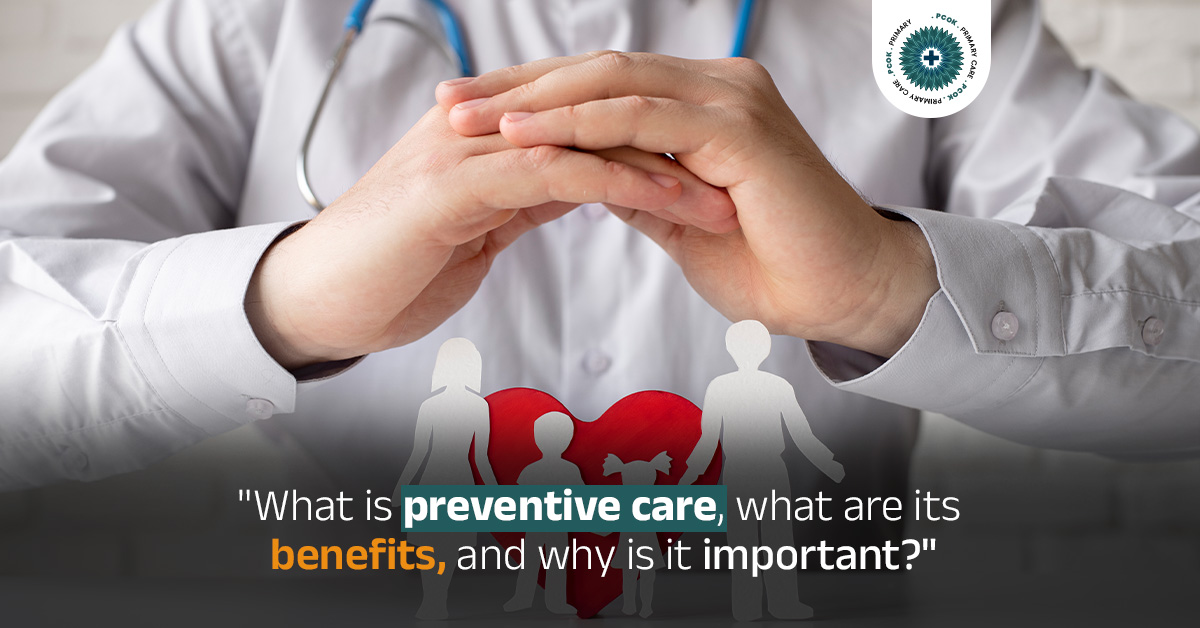
Preventive healthcare includes medical services and treatments that keep people healthy and stop diseases from starting before symptoms show up. This proactive approach to managing health care is a key part of modern medical practice and public health programs.
The Strategic Importance of Preventive Healthcare
Regular visits for preventive care have big long-term benefits for patients, such as lower healthcare costs and better health outcomes. Preventive care is a cost-effective way to keep people healthy and the healthcare system healthy by dealing with possible health problems before they become serious.
Key Parts of Preventive Care
Vaccines are an important part of preventive healthcare services. Vaccination programs keep people and communities safe from diseases that can spread from person to person, like tetanus, measles, varicella (chickenpox), influenza, and COVID-19. These interventions show how important preventive care is for public health.
Finding diseases early and stopping them from happening
Preventive healthcare services are excellent at finding chronic diseases like diabetes, hypertension, and different types of cancer early on. Protocols for early detection allow healthcare providers to start treatment when conditions are most likely to respond to it, which greatly improves the patient’s prognosis and quality of life. Putting in place complete preventive care plans lowers the risk of getting secondary health problems and helps people reach their long-term health goals. This methodical approach to healthcare management is an investment in long-term health and well-being.
What You Need to Know About Preventive Health Care Services
Preventive care includes several medical services that help keep people healthy and stop diseases from getting worse or starting in the first place. Here are some important examples of preventive health care services that are necessary for long-term health. Annual Physical Examinations: Getting a checkup with a doctor or other healthcare provider once a year is an important part of preventive care. This visit usually includes a full physical exam and tests for common health problems like high cholesterol and high blood pressure (hypertension). These tests help find and treat possible health problems early on. Cancer screenings: Early-stage cancers often don’t show any symptoms, so regular screenings are an important way to find them early, when treatment works best. Different age groups, genders, and risk factors need different screenings.
Some examples are:
- Colorectal cancer screenings are usually recommended for men and women starting at age 45.
- Regular Pap tests for cervical cancer and mammograms for breast cancer are essential ways to keep women healthy.
- Men’s Health Screenings: Depending on your risk factors, a prostate-specific antigen (PSA) test may be suggested to check for prostate cancer.
- Vaccinations are an important part of preventive care for kids because they protect them from a number of serious infectious diseases. Standard childhood immunizations include vaccines for hepatitis A, hepatitis B, chickenpox (varicella), and measles, mumps, and rubella (MMR).
- Adult Immunizations: Adults also need vaccinations to keep their immunity up and protect themselves from diseases. These often include Tdap (tetanus, diphtheria, and pertussis) boosters and shots for shingles and pneumococcal disease, especially for older people.
Getting the flu shot every year is a very important way to protect yourself from getting the virus. It can lower your risk of getting the flu by up to 60%. Also, if someone gets the flu after getting the vaccine, it usually makes the symptoms less severe, which lowers the risk of serious complications and hospitalization.
Your Guide to Free Healthcare Services: Understanding Preventive Care Coverage
Most preventive care services are free of charge.
Most of the preventive health care services you need are already covered by your health insurance, and you don’t have to pay anything extra for them. Federal law requires most health insurance plans to cover eligible preventive services at no cost. This full coverage means that you won’t have to pay anything out of pocket for preventive care from healthcare providers in your insurance network. You won’t be responsible for: Copayments for going to the doctor
- Coinsurance rules for paying for shared medical costs
- There are amounts you must pay out of pocket before your insurance kicks in.
- You only need to choose a healthcare provider that is part of your insurance plan’s network.
What kinds of services aren’t considered preventive care?
Preventive care refers to the provision of care before the identification of any health problems. Depending on your health and the reason for the service, the same medical procedure may be classified in different ways. For instance, colonoscopy procedures fall under this category. Even if polyps or tissue samples are taken out during the procedure, a colonoscopy done as a routine colorectal cancer screening is still considered preventive care. However, any follow-up treatments that occur after the procedure include:
- If cancer is found, treatments for it
- These services aren’t considered preventive care, so you might have to pay for them out of your pocket.
- More steps to get rid of growths
Non-preventive care services are:
- Visits to the primary care doctor for specific health problems, like the cold, flu, seasonal allergies, skin problems, or small injuries
- Consultations with dermatologists, allergists, or cardiologists (coverage depends on the insurance plan)
- Testing and screening to find out more about suspected or confirmed medical conditions
- Check your coverage.
If you’re uncertain if a certain service counts as preventive care under your plan, call your insurance company directly. HealthPartners members can check their insurance coverage by logging into their online account.
Getting the most out of your preventive care benefits
Preventive healthcare services are essential for staying healthy and well, and they also help find health problems early on. To find out what preventive care services you can get:
- Talk to your primary care provider about preventive services that are right for your age.
- Check your online insurance account for information about your coverage and reminders for appointments.
- Before making appointments, call your insurance company to make sure you have coverage.
- Using these covered preventive care services can help you stay healthier and avoid paying for unnecessary medical care.

No comment