
Taking your baby back home is like entering a new world. That first doctor’s visit is probably on your mind.
This is what actually happens and why it is important.
Why This First Visit Is Important
Most of the babies are taken to the doctor between 3 to 5 days after birth. It is a mere wellness check to check on the settlement of your little one.
Your pediatrician would be interested in knowing how your child is doing in feeding, how your baby sleeps and what you as a parent think is not going well.
It will be a visit to you as it will be to your baby. The questions you were wondering about? Now’s the time to ask them.
The Physical Examination
Your doctor will look over your baby carefully. Here’s what that includes:
- Weight and measurements. They’ll weigh your baby and check length and head size
- Head examination. The soft spots on your baby’s head will be gently felt to check development
- Eyes, ears, and mouth. A quick look to see that everything appears healthy
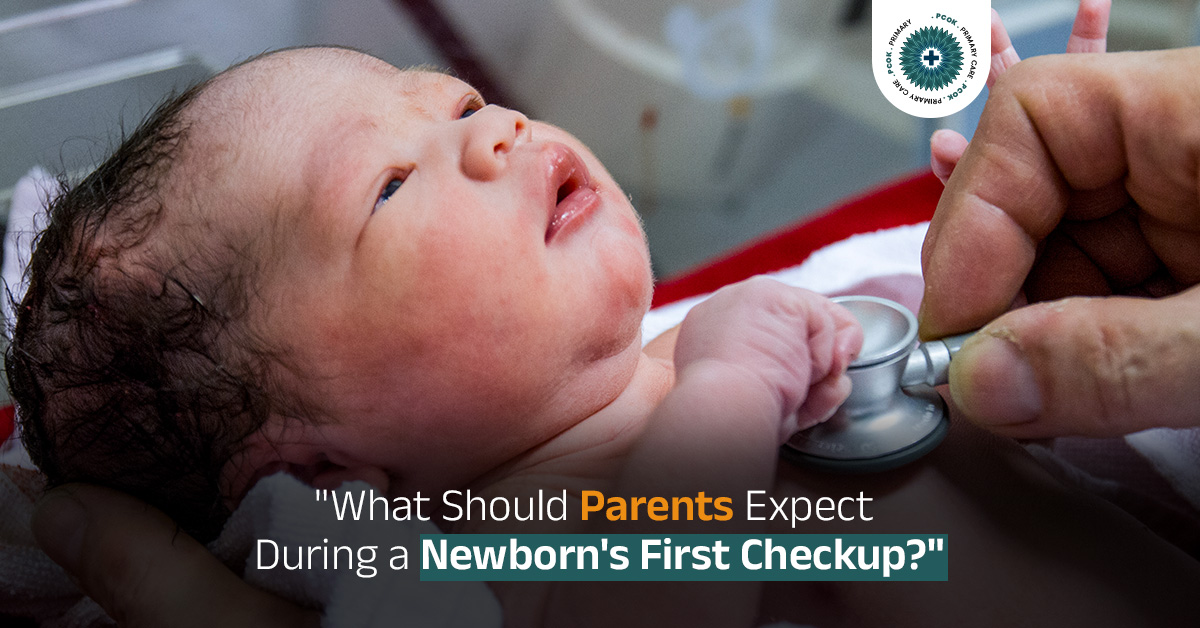
- Heart and lungs. Your doctor will listen with a stethoscope to check breathing and heartbeat
- Belly and umbilical cord. They’ll feel your baby’s abdomen and check how the cord stump is healing
- Hips and legs. A gentle check to make sure the hips are positioned correctly
It’s all pretty straightforward.
Talking About Feeding
Feeding is mentioned on each visit, particularly the initial visit. Your physician will inquire about the frequency and duration of the feeding of your baby.
In case you breastfeed, and you are struggling, say so. In case bottle-feeding seems to be confusing, state that as well.
They will also ask about diapers. This much discussion of diapers may seem strange, yet it is helpful information.
The majority of infants feed every two hours. Some eat more, some less. This will guide you on what is right for your baby with the help of your doctor.
Screening Results and Vaccines
Your baby probably had some tests done at the hospital. Your doctor will go over those results with you. They’ll also explain what they mean.
These screens test areas that are not visible but important to the health of your baby: hearing, vision, metabolic disorders, which must be detected at an early stage.
You likely won’t deal with shots at this visit. Vaccines typically start at 2 months. If your baby didn’t get the Hepatitis B vaccine at birth then it might happen now.
This appointment is your chance to bring up whatever’s been worrying you:
- Why does my baby sleep so much?
- What’s really normal when it comes to crying?
- How do I handle any diaper rash or dry skin?
- When does the umbilical cord fall off?
- Could this perhaps be jaundice or colic?
Nothing will sound ridiculous or bizarre. They will also have to examine the progress your baby is making to ensure that they are achieving the early milestones correctly.
Before You Leave
Your doctor will schedule the next visit, usually in another couple of weeks.
They’ll mention what to watch for at home, things like:
- Fever
- Trouble feeding
- Anything that just doesn’t seem right to you
You might get some papers about baby care and safe sleep. Toss them in the diaper bag and look at them later when you have a quiet moment.
We’re Here for Your Family
The initial weeks with a child are overwhelming. We understand that at Primary Care of Kansas.
Our group of qualified nurses and acclaimed pediatricians knows how to respond to the questions that you might have without rushing you, and we are sincerely concerned about helping your baby thrive.
We take a personalized approach because every baby is different.
We will be there to help you through the developmental tests and even in dealing with common problems affecting newborns such as jaundice or colic.
In case you have to make an appointment with your newborn to get a first check up, call us at (913) 259-7155.
We’re ready to meet your little one and support your family.
FAQs
When should my baby see the doctor?
Within the first few days after coming home usually around day 3 to 5.
How long will we be there?
About thirty to forty minutes. This gives you time for questions.
What should I bring?
- Hospital documentation
- Insurance card
- Diapers
- A list of questions

No comment