
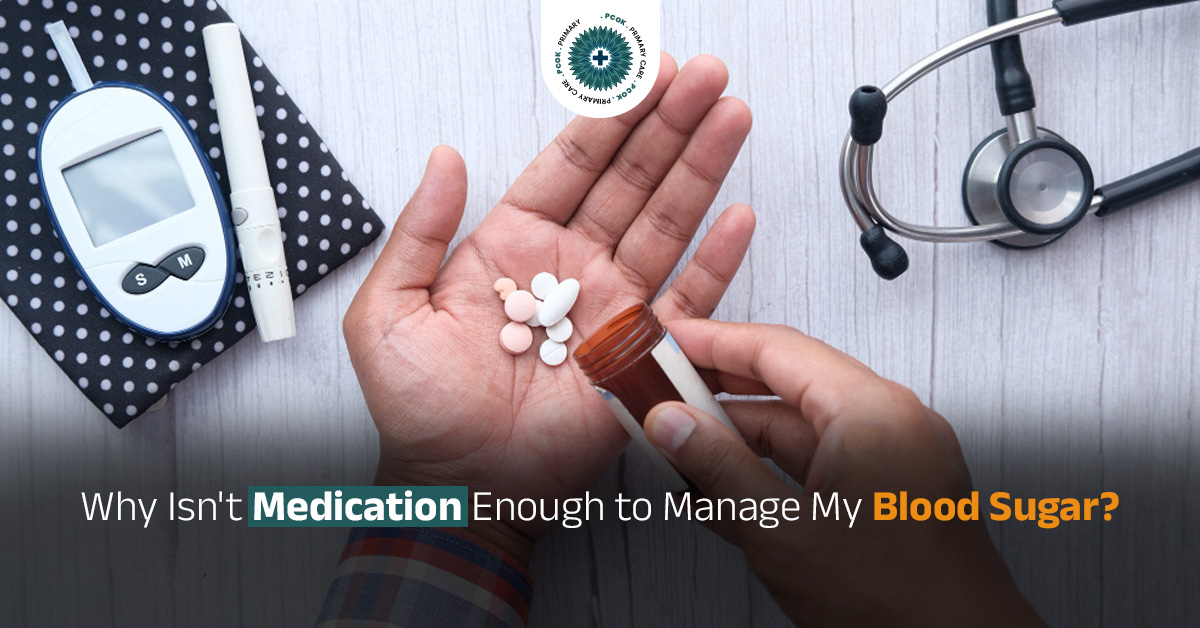
Managing diabetes is not always simple. Many people think that taking medicine is enough to control blood sugar. Medicine is very important, but it cannot do everything on its own.
At Primary Care of Kansas, we educate people on how to cope with diabetes through knowledge, habits, and support, to enable them to feel better daily.
Let’s explore why medicine alone is not enough and what you can do to keep your blood sugar steady.
Understanding Diabetes
Diabetes occurs when the body fails to regulate sugar in the blood. When blood glucose is too high for a prolonged duration, it may cause health issues.
Diabetes may be of various kinds:
- Type 1: Your system is unable to generate insulin
- Type 2: Your body fails to utilize insulin properly
- Gestational diabetes: This can happen when a person is expecting
Regardless of the type, it is not only about taking medicine to manage diabetes. Your body, food and habits of everyday life do count.
Why Medicine Alone Is Not Enough
Medicine works like a helper, but it cannot do everything for you. Blood sugar levels are affected by many things:
- Food changes sugar. When you consume high amounts of sugary food or large quantities of food, your blood sugar may increase.
- Moving your body helps. Sugar is used in walking, playing, and exercise. Your blood sugar level may be elevated when you take minimal exercise.
- Feeling worried or sad can change blood sugar. Your body can increase sugar when you are stressed.
- Your blood sugar may increase when you are sick. And that sugar may be raised by the body combating germs.
- Sleep matters. If you do not sleep well, your blood sugar can be harder to control.
- Every person is different. Some people need different medicines or more help.
Because all these factors influence blood sugar, medicine alone is not enough. This is why learning how to manage diabetes every day is so important.
How Diabetes Education Helps
At Primary Care of Kansas, our Diabetes Education Services teach people how to manage their blood sugar in real life. Education helps you learn about your body, medicine, and daily habits. We teach you to make smart health choices.
We help people learn:
- How to check your blood sugar at home.
- How food changes sugar and what foods are best.
- How exercise helps your blood sugar and health.
- How to take medicine the right way.
- How to handle stress and emotions that affect sugar.
Education is simple and practical. We make a plan that works for your life.
Making Healthy Choices Every Day
Healthy choices are a crucial factor in regulating blood sugar. Food, moving and medicine all work together. Medicine helps your body. Good food and activity help medicine work better. For example:
- Eating vegetables and whole grains helps keep sugar steady.
- A short walk after a meal can help lower sugar.
- Taking medicine at the right time helps it work well.
How Our Team Supports You
At Primary Care of Kansas, we guide you every step. Dr. Saboor Rashid and our team give kind and expert care.
We offer:
- Personal sessions to explain how your body works and how to read blood sugar.
- Tips for daily life to keep sugar steady.
- Support so you are never alone.
Many people feel better and healthier after learning simple habits. You can manage diabetes without worry when you have help.
Preventing Complications
High blood sugar can cause serious health problems:
- Heart problems
- Kidney problems
- Nerve problems
- Eye problems
Medicine helps, but healthy habits and learning are also key to protecting your body.
Final Words
Medicine is important, but it’s only part of the solution. Daily habits, sleep, stress management and education make a major difference. Little actions each day can result in a major shift in the long run.
Primary Care of Kansas has diabetes educators and doctors ready to help you. We offer the tools and knowledge to help you manage your blood sugar and improve your health.
Call (913) 259-7155 or book online for help.
FAQs
How often should I check my blood sugar?
It depends on your type of diabetes and medicine. Some people check many times a day. Others check less. At Primary Care of Kansas, our educators can help you create a testing plan that suits you.
What should I eat to keep my blood sugar steady?
Eat vegetables, fruits, whole grains, lean meat and healthy fats. Limit sweets and soda. At Primary Care of Kansas, our diabetes education program helps you plan meals that fit your tastes and lifestyle.

No comment