
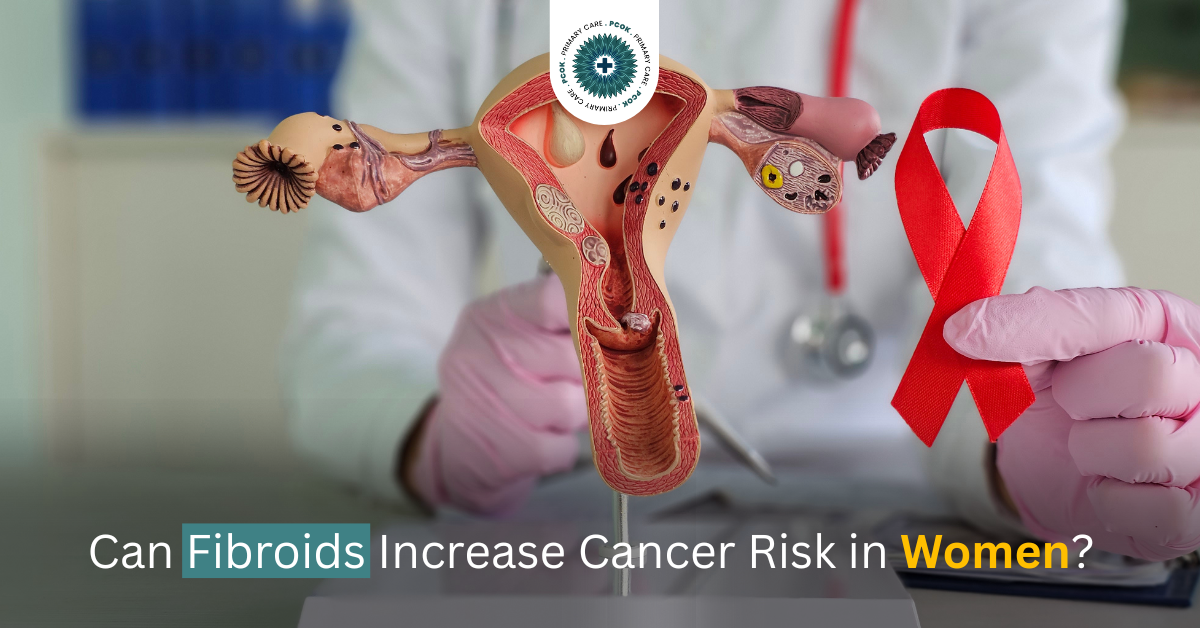
When you hear the words “uterine fibroids” at an annual test, you may immediately start to worry about cancer. We understand this worry at Primary Care of Kansas, but the news is usually far better than you imagine.
In short, fibroids are almost always harmless tumors that don’t make you more likely to get uterine cancer. This post explains why fibroids are rarely cancerous, when you should see a doctor, and how our team can help you stay healthy for the long term so you can move forward with confidence.
Understanding Uterine Fibroids: The Basics
Uterine fibroids are common, non-cancerous tumors that can grow in the muscular wall of the uterus. Women in their 40s or 50s are more likely to develop these growths due to hormonal or genetic factors. They can vary significantly in size and number.
Many women don’t have any problems, but common fibroid symptoms are:
Bleeding heavily or for a long time during your period
Pressure or swelling in the pelvic area
Being tired from losing blood
Trouble getting pregnant
Don’t worry, fibroids don’t usually cause significant health problems. Talk to your primary care doctor about getting a diagnosis and a treatment plan if you think you might have them.
Types of Fibroids and Their Locations
A lot of the time, the symptoms you have depend on where your uterine fibroids are growing. Here is a quick look at the four main types:
• Intramural Fibroids: These are the most common type and grow inside the muscle wall of the uterus. They can make one feel stressed or weighed down, as though they are bearing a heavy burden.
• Submucosal Fibroids: These develop in the uterus and are usually associated with heavy or irregular periods.
• Subserosal Fibroids: These develop outside the uterus and may cause pressure on other organs, such as the bladder or bowels.
• Pedunculated Fibroids: These fibroids have a thin stalk that connects them to the uterus. They don’t usually hurt, but if the stalk twists, the pain comes on suddenly.
Your doctor needs to know exactly what kind it is so they can figure out the best way to monitor or treat it.
Debunking the Myth: Do Fibroids Turn Into Cancer?
Do fibroids really become cancer? Let’s find out.
No, the short answer is no.
Many people are afraid of them, but medical research shows that uterine fibroids are not harmful. They don’t increase your risk of getting cancer, and they don’t turn into cancerous tumors over time.
Leiomyosarcoma and other rare cancers of the uterus can happen, but they happen on their own and are not caused by fibroids that are already there. Don’t worry about the word “tumor” or any false information you find online. Having fibroids doesn’t make you more likely to get cancer.
Key Insights on Fibroids and Cancer Risk
• No Higher Risk of Cancer: Detailed long-term research clearly shows that women who have fibroids of the uterus do not show higher rates of uterine cancer, compared to women with no fibroids.
• The Role of Estrogen: Although estrogen is an essential factor in the growth of fibroids, as well as the development of some cancers, the presence of fibroids does not imply that they will cause cancer.
• When to Test: If there is rapid growth of fibroid after menopause in exceptional cases, your healthcare provider might suggest that you undergo further testing.
• Proactive Monitoring: It’s important to remember that this extra testing is a standard safety measure for careful monitoring and not a sign of immediate danger.
How Fibroid Concerns Affect Daily Life
Although your uterine fibroids may be benign in terms of their medical condition, they may have a tremendous psychological impact. The psychological factors associated with a diagnosis often lead to excessive worry and stress.
- The typical symptoms of the fibroid-associated anxiety include:
- Always feeling anxious or having “what if” thoughts that don’t go away
- Disorders of sleep and insomnia
- Affective burnout and exhaustion
- Decreased quality of life
It’s easy to get into a cycle of stress that makes you feel worse due to the prevalence of physical fibroid symptoms and uncertainty in health. But there is still a hope. The best way to break that cycle and feel better is to get the correct answers and make a specific plan for treating fibroids.
When to Seek Help: Red Flags and Next Steps
Most uterine fibroids don’t need treatment, but if you have severe symptoms, you should see a doctor. These include:
- A lot more bleeding than usual
- Sudden pain in the pelvis
- Rapid growth in the stomach
- Disrupting everyday life
Primary Care of Kansas can help you stay healthy by giving you women’s health exams and referrals from doctors who know what they’re doing.
What to Expect at Your Visit
Most of the time, evaluation starts easily:
- Examining the pelvis
- Ultrasound imaging
If needed, advanced imaging such as MRI can be arranged.
Don’t be scared of these visits; see them as a way to get clear and take charge.
Treatment Options: We’re Here to Guide You
We can help you pick the best treatment.
The person’s goals and symptoms will determine what kind of treatment they need.
Some choices are:
Monitoring small fibroids
Medicines to stop bleeding or make it less painful
Procedures that are not very invasive by trusted professionals
Surgery should be performed only when necessary. We pay attention to what works for you.
Lifestyle Tips for Comfort and Confidence
You can’t always stop fibroids from growing, but living a healthy life can help with symptoms and keep your uterus healthy:
• To keep your weight in check, eat balanced meals.
• Eat foods that help fight inflammation, like leafy greens and fish with a lot of fat.
• Choose easy exercises like yoga or walking.
Changes you make now, even small ones, can have a significant impact on your health in the future.
Conclusion: Reassurance and Care Close to Home
One more time, for your peace of mind: It is unlikely that fibroids will turn into cancer. This knowledge will strengthen your mental and emotional well-being. We’re here to help if you’re worried about fibroids or have them on your mind. You can contact us anytime at (913) 259-7155 or email us at staff@primarycareofkansas.com. You can make a reservation online at any time.
You have the right to clear answers, help, and comfort.
FAQs
Could fibroids turn into cancer?
No, fibroids are not cancerous and do not turn into cancer.
Are uterine fibroids more likely to give you cancer?
No. Studies show that women with fibroids are not more likely to get cancer of the uterus.
Why do doctors sometimes monitor fibroids closely?
You should keep an eye on fibroids if they grow quickly, especially after menopause, or if they cause significant problems. This is care that is done to be safe.
How can I tell if my symptoms are caused by fibroids or something else?
An ultrasound and a clinical evaluation help find out what is wrong.

No comment