
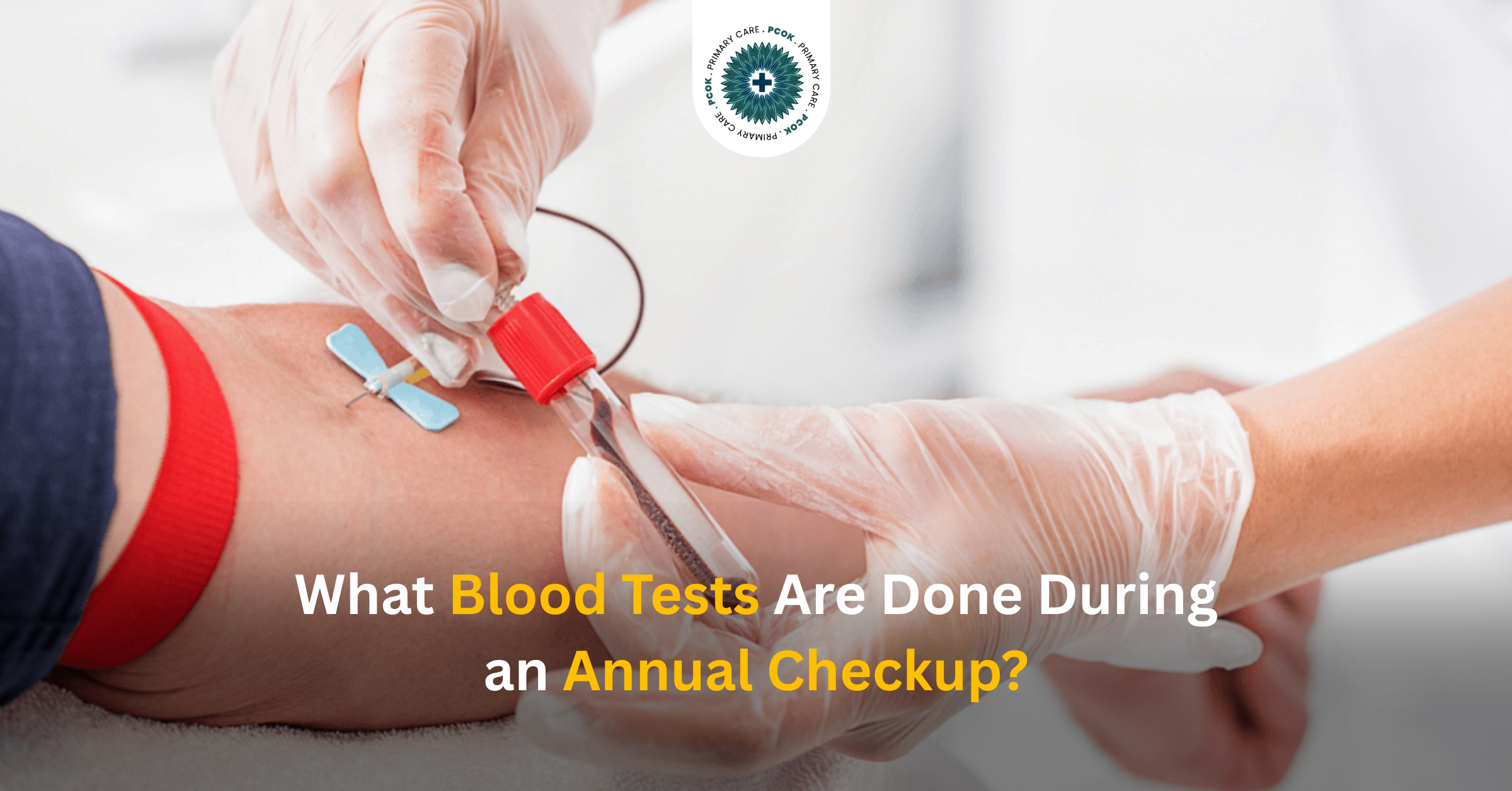
The body is usually ready to indicate health changes well before you feel ill, such as low energy, slight weight changes, or feeling out of sorts without an apparent cause. Annual blood tests are specifically created to reveal these hidden indications.
An annual checkup is not just any regular visit; it is a health care relationship between you and your primary care provider. Blood tests will assist in demonstrating what is not visible in a physical examination, providing a better idea of your well-being. These tests have become a significant aspect of preventing the leading health issues.
Busy parents, older adults, and young adults alike will all find it beneficial to know what is happening in the body even before the symptoms manifest. You will get to know in this guide which blood tests are usually covered in an annual checkup, how it is customized, and what it means when you get your results, in simple, practical terms.
Why Blood Tests Are the Heart of Your Annual Checkup
One of the most effective preventive diagnostic measures is blood tests, as it provides pure, objective, and quantifiable information about how your body is performing internally.
Although you might be feeling okay on a visit, blood tests can show the initial trends that are yet to become symptoms. Preventive medicine is based on this, to discover little changes before they grow into big health issues.
Consider it to be an annual check-up of your vehicle. When driving, you may not realize that there is a problem, but when you get under the hood, a mechanic can see early-stage wear and tear. Blood tests do the same for your body.
To families, this takes on even greater significance. It also gives parents the confidence of being good role models, and those with a family history of conditions such as diabetes or heart disease, an early warning of its presence that can help them make smarter lifestyle choices.
With time, the tests also assist your doctor in monitoring trends and not individual results, and so the care is more accurate and personalized.
The Core Blood Tests Most Adults Receive: A Clear Breakdown by Health Focus
Rather than viewing blood work as a long list of medical terms, it is easier to see it as a couple of important health snapshots of your body.
Blood Cell Health Check (Complete Blood Count – CBC)
The CBC examines the principal cells within your blood, which are red blood cells, white blood cells, and platelets.
The test aids in pointing out:
- Decreased iron levels, which could be a reason behind weakness or fatigue
- Other infections that your body might be combating
- Problems with clotting may impair healing
This test is commonly used in day-to-day life to explain the symptoms that people dismiss as “just being tired.” To illustrate, a parent who works and has a family may find that the reason they always feel tired is due to low iron.
Metabolic and Organ Balance Panel (Comprehensive Metabolic Panel – CMP)
The CMP provides a more comprehensive view of the performance of your kidneys, liver, electrolytes, and blood sugar. It assists your physician to know:
- The effectiveness with which your body is utilizing nutrients
- The level at which your kidneys are filtering the waste well
- The balance of your hydration and electrolyte
This panel is particularly helpful since most alterations in kidney or liver functioning occur without the notice of the symptoms before they occur.
It will be reassuring to many patients that their internal systems are functioning well, or that it will identify early imbalances that simple lifestyle changes can correct.
Heart-Protective Lipid Profile
The test determines the level of cholesterol, the HDL (good cholesterol), the LDL (bad cholesterol), and the triglycerides.
It is among the most significant predictors of long-term heart health.
It helps assess:
- The potential future risk of heart disease.
- How diet and lifestyle are affecting cardiovascular health
- Early need to take preventive measures
Most patients are shocked to find out that stress, sleep, and day-to-day habits can affect cholesterol levels, not only food.
This knowledge of this test can often inspire minor yet meaningful transformations, such as walking more, eating better, or coping with stress.
Blood Sugar Stability Test (Fasting Glucose or HbA1c)
This test assesses the functionality of your body in terms of sugar over time. It helps detect:
- Symptoms of prediabetes
- Risk of getting diabetes
- The level of stability of your energy levels during the day
Contrary to the individual glucose level, HbA1c can show your average blood sugar during several weeks or months, providing a more accurate picture.
This is particularly relevant in contemporary lifestyles where processed foods, inconsistent meals, and stress may silently influence the blood sugar levels.
Here, many patients learn early warning signs that help them to make simple lifestyle changes before diabetes sets in.
Thyroid Function Snapshot (TSH)
The thyroid gland regulates energy, metabolism, mood, and weight.
A TSH test can help determine whether or not your thyroid is:
- Underactive thyroid, which could lead to fatigue and weight gain
- Overactive, which can cause weight loss or anxiety
This test is usually ordered when the patient feels “off” despite having no other abnormalities.
Since thyroid imbalances are widespread and are treatable, early diagnosis can help to enhance quality of life to a great degree.
How Blood Tests Get Personalized: Your Age, Life Stage, and Story Matter
There are never two patients who are exactly alike, and that is why blood testing is never a one-size-fits-all process.
Your primary care provider takes into consideration your age, lifestyle, symptoms, and family history before making a decision on what to include.
For Young Adults in Their 20s and 30s
Blood work usually concentrates on gaining a baseline at this stage. It helps track:
- Early metabolic health
- Nutrient balances and energy levels
- Long-term risk patterns
It is one of the important periods to create awareness prior to symptoms.
Midlife Adjustments in Your 40s and 50s
As metabolism naturally changes, testing often expands to include closer monitoring of:
- Blood sugar trends
- Cholesterol levels
- Hormonal changes in energy
This phase usually entails the process of balancing hectic lifestyles and preventive care.
Golden Years and 60+ Health Monitoring
Blood tests in the later years may involve further analysis of:
- Organ function stability
- Nutritional levels
- Inflammation markers as necessary
The aim of this is to be independent, energetic, and have a good life.
Gender-Specific Considerations
Females can be given further tests regarding iron or hormonal changes or bone health, particularly in cases of reproductive or menopausal shift.
Men can hold discussions on cardiovascular risk and age-related screening based on personal history.
Family History and Lifestyle Factors
Testing can be modified by your provider in case you have:
- Family history of diabetes or heart disease
- The presence of most stress or abnormal sleep habits
- Eating restrictions or vitamin deficiencies
This individualized care makes care pertinent and effective.
Getting Ready for Blood Work: Simple Steps for the Most Useful Results
It does not have to be complex to prepare for blood work. Your provider can request you to:
- Starve briefly before some exams
- Drink enough water to make the process easier
- Provide a full list of medications or supplements
- Report any recent disease or health alteration
When you are coming with children or as a family, you may want to simplify the process to make everybody feel at ease.
The experience could be more accurate and easier with a peace of mind and proper hydration.
Understanding Your Results: Turning Numbers into Everyday Insights
The results of the blood test are mostly effective when they are interpreted.
Your provider does not look at them as simple numbers, but relates them to your day-to-day experiences, symptoms, and long-term health objectives.
For example:
- Healthy cholesterol helps in better protection of the heart in the long term
- Normalized blood sugar promotes normal daytime energy
- Normal thyroid levels are helpful to control mood and metabolism
When something is not within the normal range, this does not necessarily imply that something serious is taking place. It is often just an indication of a region to be monitored, changed, or re-examined.
Your primary care provider assists in converting these results into an action plan that is practical and is within your lifestyle.
Beyond the Basics: When Your Doctor Recommends Additional Tests
Occasionally, your provider can recommend extra testing depending on your particular case. This could include:
- Vitamin levels in case of fatigue or diet issues are taken
- Signs of inflammation in case of persistent symptoms
- Hormonal testing, in case of unsuspected energy or weight changes
These are not tests, but rather specific tools to help comprehend your particular health picture. It is always aimed at being clear and not testing where there is no need.
Busting Common Myths About Annual Blood Tests
Blood work has a number of myths that may be confusing.
A myth is that since you feel well, you do not have to undergo testing. The fact is that a lot of conditions stealthily occur over time.
Another of these is that blood tests are universally identical. As a matter of fact, the tests are customized with reference to your past and present requirements.
There is also a tendency to believe that when abnormal results occur, it is something serious. Of course, many times, the results only point to some minor changes that may be corrected through lifestyle changes or subsequent observations. This knowledge will help to eliminate anxiety and promote active care.
Conclusion
More than basic laboratory work, annual blood testing is done. They represent a yearly picture of how healthy you are and allow you and your primary care provider to make joint decisions.
They assist in early identification, preventive steps, and help you better know your body in a more profound and significant manner.
When you live in Gardner or the neighboring communities in Kansas, one of the easiest methods to remain ahead of possible health issues and aid in long-term health for yourself and your family is to schedule your annual check-up.
At Primary Care of Kansas, we are present to help you know every step by being clear, caring, and mindful of what is most important to you- your health and peace of mind.
FAQs
How often should I get blood work if I am healthy?
Routine blood work is done in the annual checkup for most healthy adults, although the frequency may depend on individual risk factors.
Do kids need blood tests during annual visits?
Not always. It is based on age growth patterns and symptoms, although regular screening is not common among healthy children.
What if my results come back outside the normal range?
The results can be discussed with your provider, who will determine the need to follow up, change lifestyles, or do further testing.

No comment