
You’re a Gardner, Kansas parent, juggling your job, kids’ games, and school. You generally feel fine, a bit more tired than normal, or out of breath when walking up the stairs. But at a check-up with your doctor, you find your cholesterol is higher than normal.
High cholesterol may not require treatment because it doesn’t always cause symptoms, so you might feel fine while variations are occurring inside your body. In this post, we’ll cover signs that high cholesterol is developing, why it’s difficult to detect, what to do if you think you have high cholesterol, and easy ways to avoid problems in the future.
What Are the Early Signs of High Cholesterol? (Quick Answer)
Elevation of blood cholesterol is not associated with particular symptoms in the early phases. But there can be some subtle symptoms relating to poor blood circulation or stress on the heart.
Some early symptoms may include:
- Becoming easily fatigued
- Short of breath when participating in everyday activities
- Mild chest discomfort
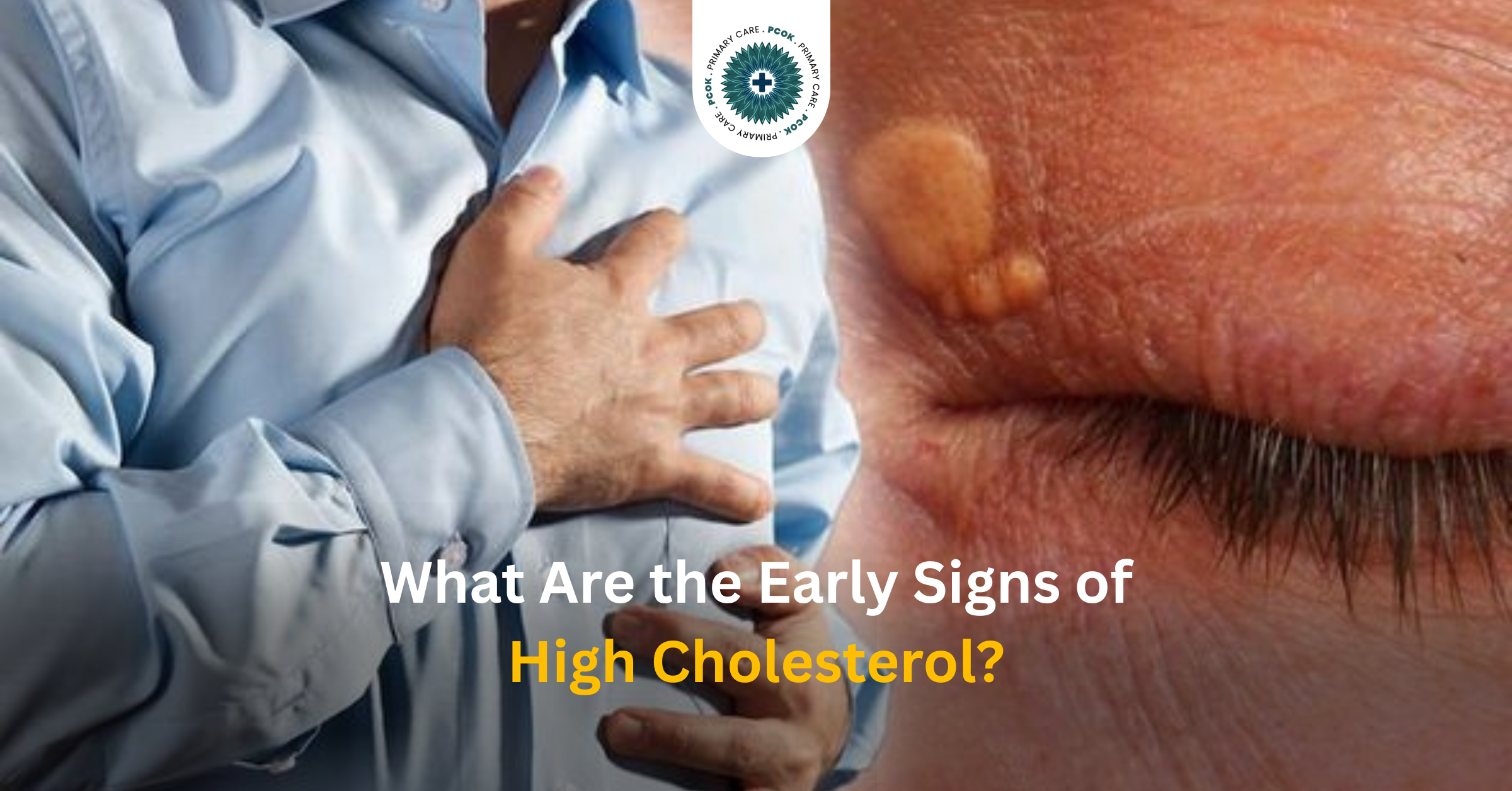
- Yellow patches around their eyes
- Pain in your legs when walking
- History of heart disease in family
These symptoms stem from a variety of causes, but should be discussed with your doctor.
Why High Cholesterol Often Goes Unnoticed
Cholesterol is a fatty substance that circulates in your blood. When levels are high, it can gradually build up inside artery walls, a process called plaque formation or atherosclerosis.
Initially, this buildup doesn’t typically cause pain or distinctive symptoms. This makes many adults go unnoticed as they simply carry on with their lives.
In Kansas families, issues such as:
- Busy schedules
- Comfort foods
- A reduction in exercise in the winter months
may be indicative of increasing cholesterol. It is only discovered during routine blood work because:
- There are no early warning symptoms
- Daily life continues normally
- The body compensates for reduced blood flow in the early stages
That’s where regular checkups are crucial to help pick up on changes.
Common Early Signs and Clues Your Body May Be Giving You
While the effects of high cholesterol are often silent, some people may have subtle symptoms:
- Feeling tired after a good night’s sleep
- Some shortness of breath during exercise
- Chest discomfort with stress, large meals
- Yellowish discoloration around the eyes
- Pain in the legs when walking, which goes away when resting
- Family history of heart diseases
This doesn’t mean that you have high cholesterol, but that you need to check it. It’s important to understand that these symptoms can overlap with many other conditions. The only way to confirm cholesterol levels is through a blood test.
How High Cholesterol Affects the Body Over Time
If cholesterol does not come down, it can start to have an impact on blood circulation. This could eventually result in:
- Limited blood and oxygen to organs and muscles
- Lower energy levels
- Difficulty concentrating
- Placed excessive stress on the heart
When not treated, it can lead to other, more severe heart diseases. Fortunately, it’s easy to control with early detection.
Who Is at Higher Risk for High Cholesterol?
Certain people may be at greater risk for developing high cholesterol:
- Adults over 40
- History of heart disease in family
- Diabetes or prediabetes
- High blood pressure
- Sedentary lifestyle
- Smoking
For many Kansas families, lifestyle and genetics combine to cause obesity.
When Should You See a Doctor?
You should see your doctor if you:
- Have not had blood tests for your cholesterol
- Haven’t yet seen your doctor for new or ongoing fatigue or shortness of breath
- Are at risk of heart disease (family history)
- Have had a borderline cholesterol level
The best way to keep on top of any health concerns, even if you’re not feeling unwell, is by getting regular checkups.
What Happens at a Cholesterol Checkup?
It’s all about transparency and respect at Primary Care of Kansas. Your provider will:
- Ask you about your medical and family history, and your lifestyle
- Give you a blood test (lipid panel)
- Interpret and explain the blood test results
- Put in place a personalized plan to fit your life
Treatment is supportive, motivating, and personalized.
Simple Steps to Support Healthy Cholesterol
In the meantime, you can take some steps to improve your cholesterol:
- Eat a healthy diet and be active (such as walking)
- Eat a variety of healthy foods
- Use relaxation strategies
- Have a regular sleep schedule
- Stay hydrated
They benefit heart health and promote good health overall.
How Diet Affects Cholesterol
What you eat plays a key role in managing cholesterol levels. Some foods help your body remove excess cholesterol, while others can increase buildup over time.
Focusing on fiber-rich foods like whole grains, fruits, vegetables, and legumes can support healthier cholesterol levels. Healthy fats from sources like nuts, seeds, and olive oil also help protect heart health.
At the same time, it’s important to limit processed foods, fried items, and foods high in saturated fats. Sugary and refined foods can also affect overall metabolism and indirectly impact cholesterol.
For most families, small and consistent changes, like home-cooked meals, balanced portions, and healthier food choices, can make a meaningful difference over time.
Conclusion: Early Awareness Makes a Big Difference
High cholesterol is a common but subtle condition. Knowledge is key. Early screenings, healthy lifestyle choices, and discussion with your physician can help keep your health in check.
Your care at Primary Care of Kansas is led by Dr. Saboor Rashid, who focuses on patient-centered primary care, preventive health, and helping families make informed decisions about long-term wellness.
If you’re in Gardner or nearby communities, a visit with Primary Care of Kansas can help you feel confident and empowered, and will develop a health plan that makes sense for you.
FAQs
Can you have high cholesterol without symptoms?
Yes. It’s typically asymptomatic in the early stages.
Is high cholesterol genetic?
Yes, family history can play a significant role.
How often should cholesterol be checked?
It’s often assessed as part of annual check-ups, subject to risk factors.
Does high cholesterol always lead to heart disease?
Not necessarily. Early diagnosis and good management can prevent the development of heart disease.

No comment