
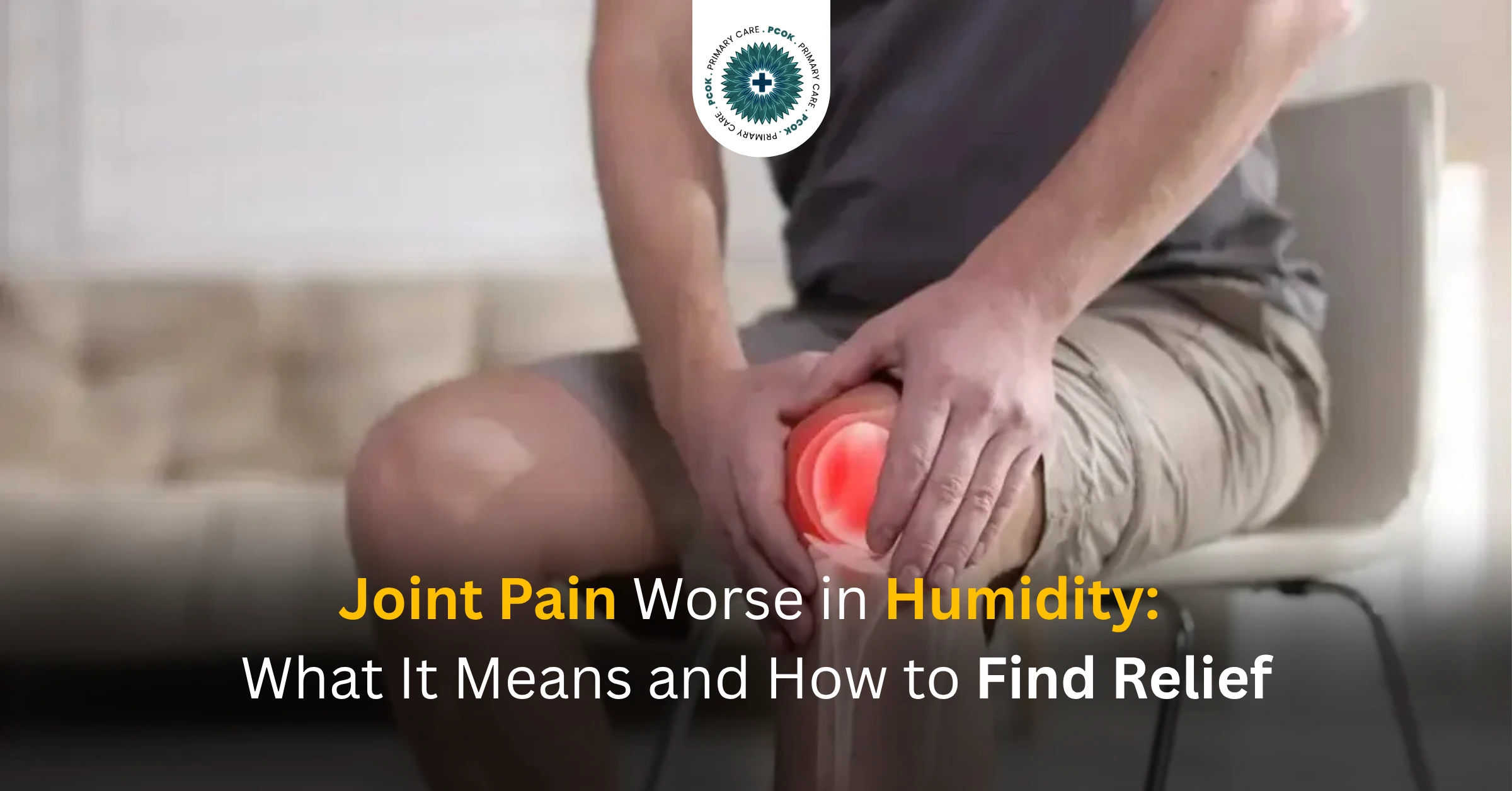
If your knees, hips, or shoulders have been bugging you more when the air is heavy and humid, you’re not imagining it. It’s a frustrating pattern that plays out for lots of people in Kansas and across the Midwest every summer. In this post, we’ll explore why humidity might worsen joint discomfort, what might be causing it, and most importantly, what practical steps you can take to find genuine relief.
Why Humidity Makes Joint Pain Worse
Changes in the weather can impact the tissues around your joints, especially when high humidity occurs together with changes in barometric pressure. The damp, heavy air may produce a gentle swelling of the lining of the joint or of the soft tissues around it. This puts additional strain on places that are already sensitive from arthritis, past injuries, or just the usual wear and tear.
People with osteoarthritis, rheumatoid arthritis, or a history of joint problems most often report this pattern. Even people without a formal diagnosis occasionally report stiffness or discomfort that appears to track the weather prediction. The first step in effectively managing this connection, instead of just pushing through the pain, is to understand it.
Common Causes Behind Weather-Related Joint Pain
If humidity seems to be a trigger or aggravator of your symptoms, there are a few different things that could be happening:
- Arthritis and Joint Inflammation: Osteoarthritis (the wear-and-tear kind) and inflammatory arthritis make joints extra sensitive to changes in the environment.
- Old injuries or scar tissue: Parts of your body that have recovered from old sprains, fractures, or surgeries can signal changes in the weather.
- Muscle and Soft Tissue Tension: Humidity causes muscles to feel tighter, which puts more stress on the adjacent joints.
- Lower Activity Levels: Many people are less active when the weather is sticky. Over time, this can cause stiffness and weaker muscles that support the spine.
It is useful to keep in mind that weather can exacerbate discomfort, but generally does not cause new joint problems in and of itself. If your symptoms persist or get worse, it’s usually a good idea to look for underlying causes.
Recognizing the Symptoms
Joint pain that gets worse with humid weather might feel like:
- Aching or throbbing knees, hips, shoulders or hands
- More prolonged morning stiffness on damp days
- Swelling or a sense of fullness in the joint
- Limited range of motion or trouble with basic tasks such as going up the stairs or opening jars
If the pain is accompanied by redness, large swelling, fever, or sudden inability to bear weight, then have it checked rather than waiting it out.
Practical Ways to Find Relief
The good news is that many people experience meaningful improvement with a combination of simple daily habits and targeted care.
Gentle Movement and Stretching
One of the best things you can do is to stay active. Low-impact activities like walking, swimming (ironically, good for your joints), or gentle yoga keep joints lubricated and muscles strong. On humid days, try exercising indoors when the air conditioning is on, or at cooler times of the day.
Temperature Therapy
Many patients benefit from alternating hot and cold. A warm compress or shower can help loosen stiff muscles and increase blood flow, while a cold pack can help soothe inflammation and swelling. Try it out and see what works better for your joints, particularly.
Supportive Lifestyle Habits
- Maintain a healthy weight to reduce stress on weight-bearing joints
- Stay well hydrated, as dehydration can make tissues more sensitive
- Wear supportive shoes with good cushioning
- Consider over-the-counter anti-inflammatory options when appropriate, but check with your provider first, especially if you take other medications
Home and Environmental Adjustments
Use a dehumidifier indoors to keep humidity lower in your living space. Lightweight, breathable clothing and staying in air-conditioned environments during peak humidity can also make a noticeable difference.
When to See Your Primary Care Provider
Weather is often uncomfortable, but you can schedule an appointment if you have one of the following:
- Pain disrupts normal daily activities or sleep
- You notice increasing swelling, warmth, or redness
- OTC measures don’t work anymore
- You are suffering from an injury or a fall
- Symptoms are slowly getting worse
At Primary Care of Kansas, we take a comprehensive approach. Your joints may be assessed by Dr Rashid and our team, who can discuss your problems in detail and develop a personalized approach. This can include in-office procedures such as joint or trigger point injections when appropriate, and advice on long-term management.
Taking Control of Your Joint Health This Summer
If you live in Kansas, you get to enjoy lovely summers, but that doesn’t mean you have to deal with joint pain all the time. Many people feel a lot better day to day by knowing how humidity impacts your body and by taking continuous efforts to care for your joints.
At Primary Care of Kansas, we’re here to help you with compassionate, personalized care. Whether you’re facing a flare-up, need preventive guidance, or want help managing chronic joint issues, we’re here to help. Don’t let discomfort stop you from doing things. Call today and set up an appointment, and let’s come up with a plan to keep you active and pain-free.
If you have questions about joint discomfort or any other health problems this summer, please feel free to reach out. We want to help our community feel their best, no matter what the weather throws at them.
Related Posts:
- Does Injection Therapy Help With Joint Pain?
- How Often Can You Receive a Joint Injection? Guidelines for Patients
FAQs
Does humidity really cause joint pain or make it worse?
Generally, it only makes problems that are already there worse, not creating new damage. The outcome is different for each person.
Are there medications that help specifically with weather-related pain?
There are many choices. But the best choice depends on your overall health. We are happy to look at safe options on a visit.
Can diet make a difference?
Yes. Eating an anti-inflammatory diet with lots of vegetables, fruits, healthy fats, and enough protein often helps to promote joint comfort over time.
Will I need surgery if humidity always triggers my pain?
Most people do fine with conservative approaches. Surgery is only considered when other options are no longer effective enough.

No comment