
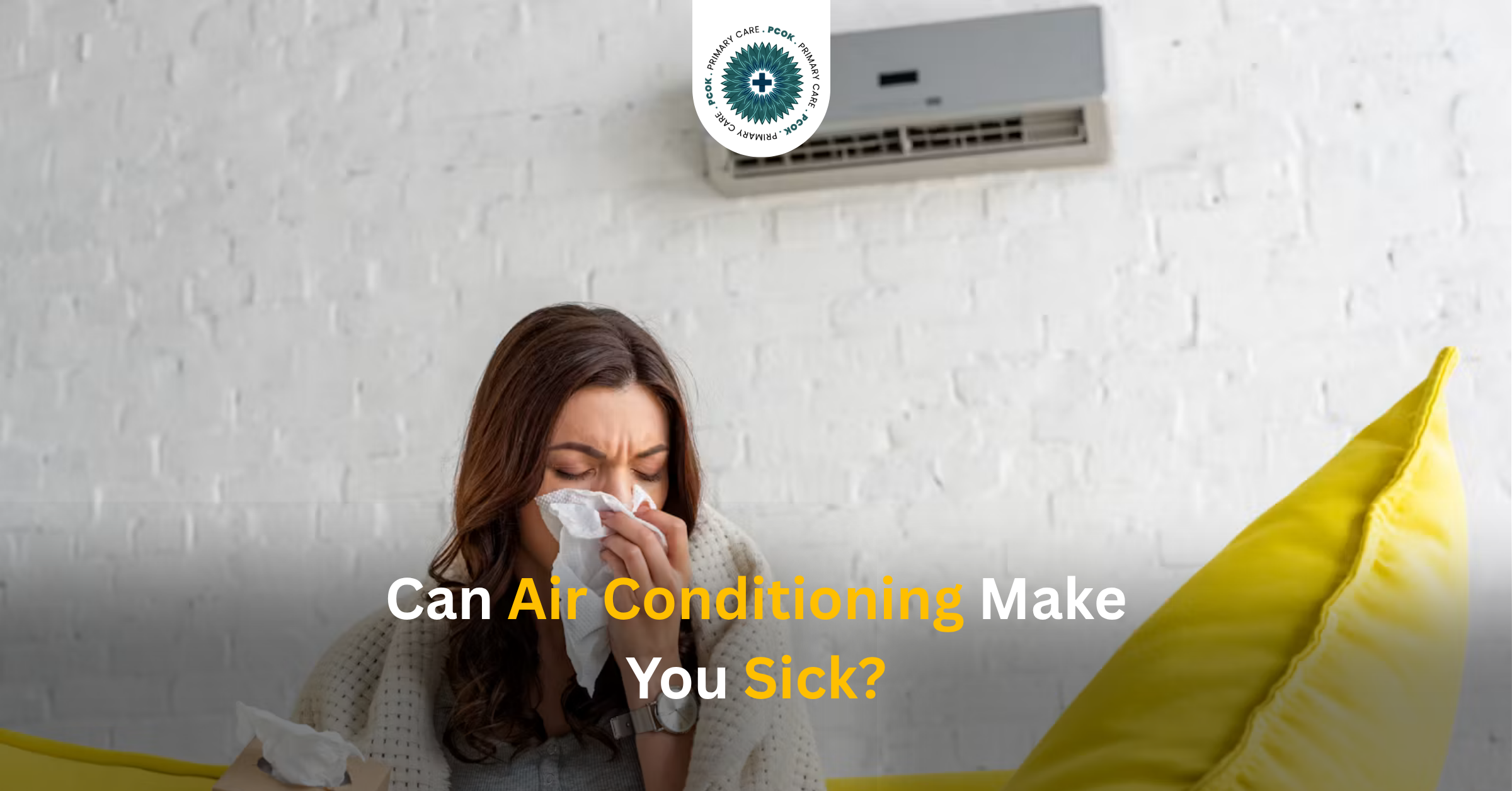
Air Conditioning is a welcome relief, but many people wonder if it can make them sick. AC is not a cause of illness, but in some cases, symptoms such as a dry throat, congestion, or headaches may be caused by AC. Read on to learn the impact it may have on your health and simple tips to stay comfortable and well.
How Air Conditioning Works and Its Effects on Your Body
Air conditioners do more than just lower the temperature. They draw warm air in, cool it down, take the moisture (dehumidify), and push the cooler air back into your room. This process creates a comfortable indoor environment, but alters the air you breathe.
The cold, dry air may impact breathing. Your nasal passages and throat actually contain a natural mucus layer, which captures germs and keeps your throat wet. This dry air can irritate these sensitive tissues, causing dryness, a scratchy throat, or slight congestion. It is often seen by people when they move from outdoors, where the air is hot, to a strongly air-conditioned room.
Another cause may be a temperature change. The blood vessels in your nose can react if you have a sudden temperature change, either too hot or too cold; some people get a runny nose or have a headache when the seasons change.
Common Symptoms People Blame on Air Conditioning
If you’ve felt any of these while spending time in air-conditioned spaces, you’re not imagining it:
- Dry or sore throat
- Stuffy or runny nose
- Headaches or fatigue
- Itchy eyes or skin irritation
- Mild coughing or wheezing
- General feeling of being “off” or congested
So it is easy to blame the AC unit because these symptoms are sometimes confused with colds, allergies, or even dehydration. In the real world, they are often more related to the impacts on indoor air quality and not necessarily associated with cooling alone.
The Real Culprits: Poor Maintenance and Indoor Air Quality
When the air conditioner is the problem, it’s not the cool machine itself; it’s what accumulates within the machine over time. Filters, coils, and ducts collect particles like dust, pollen, mold, pet dander, and other particles. These irritants can be pumped back into the room when the system is operating, causing allergy-like symptoms or causing respiratory distress.
This also applies in the office or in larger buildings, where this phenomenon is referred to as the “sick building syndrome,” since people typically feel better outside the building. Sometimes the indoor climate is irritating or stuffy even when the heating is on, due to poor ventilation, low air humidity, or the presence of large concentrations of contaminants.
A rare but serious risk is associated with the presence of bacteria such as Legionella in under-maintained water-based cooling systems, where they can proliferate (in large buildings, not often found in homes). Not common in in-home units, but it shows the importance of regular maintenance!
AC can also create dry air, which causes existing allergies or sensitivities to aggravate your airways and become more sensitive to the allergy that may be present.
Who Is Most Likely to Notice These Effects?
Everyone doesn’t respond in the same manner. If you are more sensitive, then you:
- Are already allergic, asthmatic, or have sinus problems
- Spend extended periods of time in air-conditioned areas without fresh air
- Have dry skin or sensitive mucous membranes
- Catching up on previous cold/ respiratory infections
Age-related individuals like older adults, young children, and people with chronic diseases can also experience temperature and air dryness more intensely. In hot Kansas summers, we often go from scorching outdoors to freezing indoors, which can stress the body as it repeatedly adjusts.
Practical Tips to Stay Healthy with Air Conditioning
The great thing about staying cool is that you don’t have to sacrifice feeling good! Small habits make a big difference:
Maintain your AC system regularly: Change or clean filters every 1–3 months (or as recommended for your unit). Have professional servicing at least once a year, including servicing ducts, coils, and drainage. Fresher air circulates in a clean system, and thus it is more efficient.
Manage humidity: If your home feels too dry, consider using a humidifier in key rooms (set it to around 40–50% humidity). Whole-house humidifiers or even bowls of water near vents can help in a pinch, but don’t overdo it to avoid mold.
Improve ventilation: You can open up and let in fresh air when the air quality outdoors is good and temperatures permit. Use exhaust fans in bathrooms and kitchens. Change to fresh air mode in a car occasionally rather than recirculated air.
Stay hydrated: Drink lots of fluids during the day. Be sure to have a water bottle nearby because dry air can promote fluid loss, especially in cooled environments where you might be at work for a long period of time.
Use proper settings: Try not to set the air conditioner to extremely low temperatures. Keep the temperature at a comfortable level (72-78°F) inside, use ceiling fans to help move air, and don’t over-rely on AC.
Clean regularly: Dust and vacuum frequently to minimize allergens that the AC could be transporting and spreading. Use quality air purifiers where they may help, such as in bedrooms or the living room, and equipped with HEPA filters.
Avoid any extended period of temperature changes: Set aside some time to allow the body to acclimatize when transitioning from outdoors to indoors in hot weather. Wear layers of clothing so you can put them on or take them off as necessary.
When to See Your Doctor
There is only mild discomfort associated with AC, and making some simple adjustments can help reduce discomfort. If you’re experiencing any of the following, however, contact your primary care provider:
- Symptoms that persist or worsen despite maintenance
- Shortness of breath, a chronic cough, or chest pain
- Signs of infection, such as high fever or colored mucus
- Allergic reactions, such as those that affect a person’s daily activities
Our professionals can determine if it is allergies, sinus problems, or something else, and design a plan specifically for you.
Balancing Comfort and Health in Kansas Summers
An air conditioner is a helpful tool in addressing issues caused by heat and enables us to have a normal life. Once you know how it reacts with your body and indoor surroundings, you’ll be able to minimize the disadvantages and maximize the advantages.
We know that taking care of your family’s overall health is important, and we’re here to help you during all four seasons at Primary Care of Kansas. If summer sniffles or indoor air concerns are bothering you or your loved ones, schedule a visit; we love helping patients feel their best.
Becoming “cool and comfortable” and staying that way for the whole summer is very important and can be accomplished by simple awareness and proactive care.
The information provided is intended for educational, non-medical purposes only and should not replace individual medical advice. For any health-related concerns, please contact your health care provider.
Related Posts:
- Can Hot Weather Raise or Lower Blood Pressure?
- Summer Food Safety and Food Poisoning: Prevention and When to Seek Care
FAQs
Can air conditioning cause a cold?
No, AC does not cause colds. Viruses cause colds, but dry air and poor maintenance can make you more comfortable with symptoms that feel similar.
How can I prevent AC-related symptoms?
Regular filter changes, proper humidity levels, good ventilation, and staying hydrated go a long way toward keeping you feeling great in cooled spaces.

No comment