
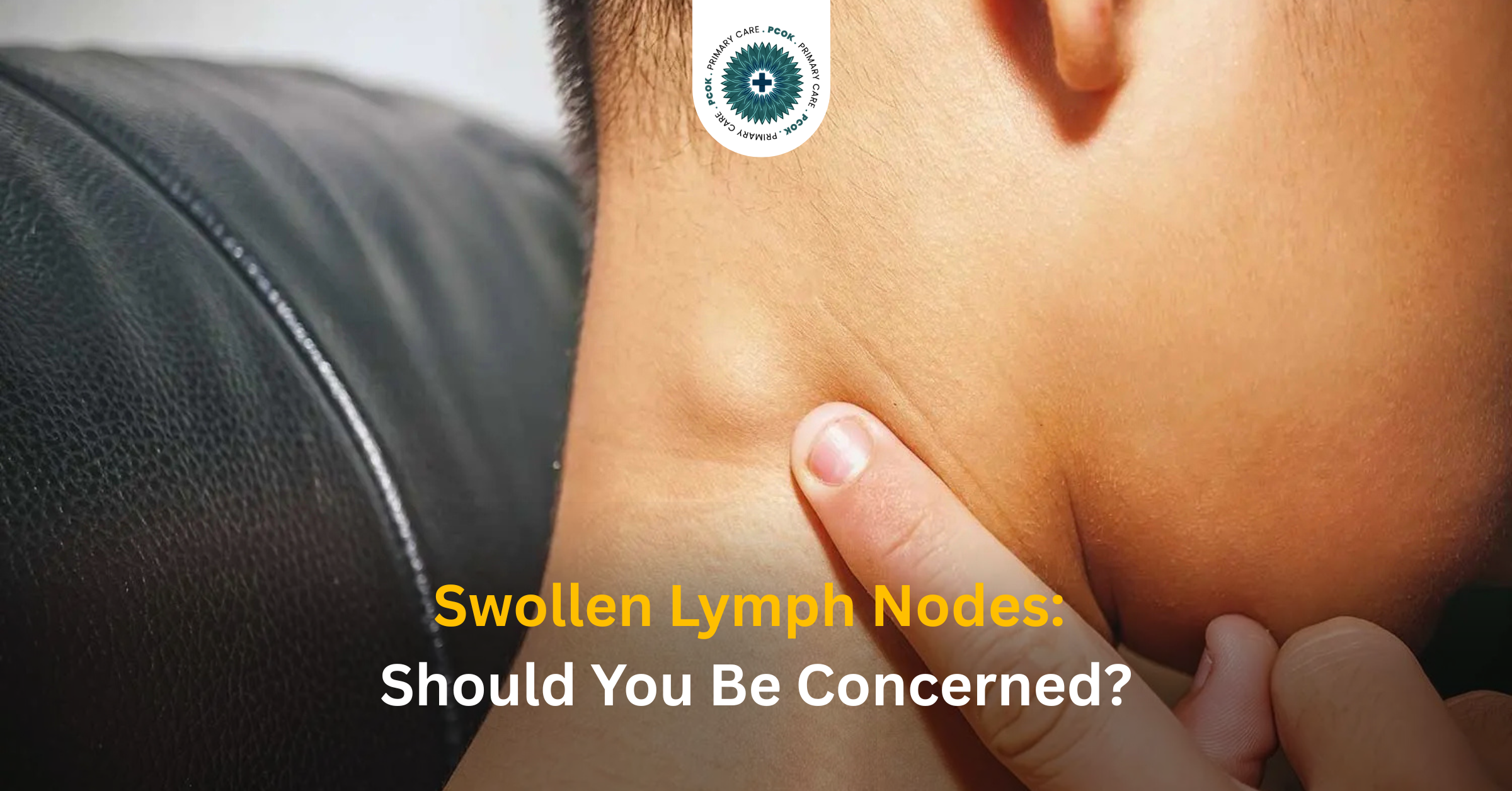
Have you ever noticed a tender bump in your neck, under your arm, or in your groin and felt that immediate wave of worry? It’s a common experience that many of us have been there. Swollen glands, or lymph nodes, are the body’s response to what is going on inside. They are not always indicative of imminent danger, but rather of your body’s immune system combating an infection.
This guide will help you to understand what’s really happening, when it’s likely nothing is wrong, and when it’s appropriate to contact a professional for care. We’ll stay simple, doable, and focused on what’s important to your health!
Understanding Your Lymph Nodes and Their Role
The lymphatic system is a subtle but formidable drainage system in your body. The lymph system consists of a network of small, bean-shaped lymph nodes that act as checkpoints. They strain out the lymph fluid, catch germs, and contain immune cells that are ready to go to battle in response to infection or other problems.
There are hundreds of these nodes, but they’re usually more noticeable in the following places:
- On your side, front, and neck
- Under your jaw or behind your ears
- In your armpits
- In the groin area
These nodes are typically soft, small, and easy to miss if things are calm. They can increase in size when they are attacked by a virus or bacteria (like an infection) or when they are called into action in response to inflammation. This is a process called “lymphadenopathy” that is your body’s attempt to mount an increased defense. It is not likely the problem itself, but something that informs you that your system is working properly.
Everyday Reasons Lymph Nodes Swell
The good news? Common, temporary situations cause the most enlarged lymph glands and are not serious. Your nodes easily pick up on issues that are local or have a broader scope because they’re trying to sort things out.
Frequent triggers include:
- Viral Disease – Common cold, flu, or even mononucleosis
- Bacterial infections (such as strep throat, ear infections, sinus infections, or wounds of the skin)
- Neck swelling due to dental problems such as an abscess or gum infection
- Recent illnesses that have your immune system on high alert
If you have a sore throat, the nodes in your neck may enlarge because this is the closest “station” to the infection. Likewise, if you develop a lesion on your leg or foot, you can get swelling in your groin nodes. These reactions are localized and tend to get better with the healing of the underlying cause.
Other options that often aren’t linked to infection:
- Diseases that are caused by the abnormal action of the immune system, such as autoimmune diseases
- Responses to some medication(s)
- Temporary responses after vaccinations
Information from the surrounding context, such as recent illness or whether the swelling is in a particular area or feels a specific way, can help to provide a clearer picture and provide additional information to discuss with your healthcare provider.
What It Feels Like and Accompanying Symptoms
Different-sized lymph node enlargements are possible. Some individuals refer to them as tender or painful when touched, and others as a firm lump that is not necessarily painful. They can be as small as peas or big enough to be seen, and they move about a little when pressed, so you can press to see movement.
You’ll frequently experience other signs from whatever is causing the swelling:
- General weakness or tiredness
- Mild fever
- Sore throat, runny nose, or cough
- Body aches
In most cases, which are related to the transitory disease, the nodes are soft and slightly enlarged. The swelling typically peaks and then begins to decline in a week or two as your body finally overcomes the battle.
Knowing When It’s Time to Pay Closer Attention
When a swollen node is found, it’s perfectly natural to be worried, so it’s helpful to take a viewpoint: most swellings are harmless and pass on their own. You don’t notice these situations; your body does its daily duties and jobs normally.
Nonetheless, some patterns justify talking to your regular healthcare provider. Think about contacting your PCP if:
- It continues to get bigger after 2–3 weeks or keeps getting larger
- Nodes are unusually rubbery, stiff, or immobile feeling
- Go to your doctor if you notice increasing swelling in a variety of places for no apparent reason
- You still have symptoms such as having a fever for no apparent reason, night sweats, a lot of fatigue, or losing weight even when trying not to lose weight
- The area turns red, warm, or begins to discharge fluid
- When swelling develops above the collarbone or obstructs breathing or swallowing
These symptoms do not necessarily indicate something is wrong, just that it is recommended you seek a professional evaluation and have peace of mind if there are other, less common reasons.
What Happens During a Medical Evaluation
If enlarged lymph nodes are a concern, you may visit Primary Care of Kansas and start with your story. We will ask about recent illnesses, medications, travel, symptoms, and family history. A thorough physical examination aids in understanding the location, size, and texture of nodes.
From there, we may suggest simple steps ahead, such as:
- Blood work to look for signs of infection or other imbalances
- Ultrasound and other imaging techniques, if more details are required
- If signs and symptoms suggest a resolving infection, continue to monitor over time
Most cases clear up on their own or when the underlying cause is treated, for example, with antibiotics in a case of a bacterial infection. Emphasis is placed on individualized care, but not on unnecessary processes.
Supportive Steps You Can Take at Home
These actionable tips will help you feel better until your body has finished the job:
- Get rest, plus drink plenty of fluids that are high in electrolytes to help strengthen the immune response
- Apply a warm, clean compress to the area for 10–15 minutes at a time to ease discomfort
- Take over-the-counter pain medicines, such as acetaminophen or ibuprofen, as directed, but always with expressed consent from your pharmacist and doctor, particularly if you suffer from other illnesses about which you should consult them
- Avoid poking, squeezing, or trying to “pop” the area, as this can increase irritation
Prioritize gentle self-care and stay clear of unverified home remedies posted online. Paying attention to your body, listening to it, and seeking guidance when needed is the smartest approach.
How to Reduce the Chances of Frequent Swelling
It is impossible to shield lymphatic nodes from all swelling; it is an integral part of an immune response to the body. You can make the whole structure more secure, however:
- Wash your hands thoroughly and keep away from sick individuals, if at all possible
- Ensure that you are up-to-date with your vaccinations
- Have a well-balanced diet with more fruits and vegetables, and more whole food items
- Set a regular sleep routine and work on activities to reduce stress from the day
- Successfully handle all chronic illnesses with regular monitoring
Individuals who remain proactive regarding their health and attend regular appointments for primary care can uncover trends earlier in the disease process, and people feel their very best all year.
Final Thoughts: Empowerment Through Understanding
Swollen lymph nodes are usually just one chapter in your body’s everyday story of staying healthy. If you find out what they are and the right times to act, you can transform from fear to informed confidence.
At Primary Care of Kansas, we’re with you if you have ongoing swelling of any kind, or if you’re concerned about your swelling, we’re here for you. To receive the best in community-based, personalized, and caring care, call our team, and we will help you.
Make a plan to see us today, we all would love to help you feel more at home and better.
This information is intended for educational purposes only and should not replace medical advice. If you have any health concerns, please contact your healthcare provider.
FAQs
How long do swollen lymph nodes last?
Improvements occur in most within 1–2 weeks once the infection clears. If they persist for more than 3 weeks or increase in size, contact a doctor.
Are swollen lymph nodes always painful?
No, tender nodes are just a sign of a minor infection, and painless nodes that stay for a long time should be checked.
Can they be a sign of cancer?
Rarely. Most cases are due to common infections. They should be checked for some peace of mind if there is any persistent or unusual swelling.
When should I see a doctor?
If swelling does not go away in 2–3 weeks, if it is hard/fixed, or if it is accompanied by unexplained fever, night sweats, or weight loss.

No comment